Vitamin D Deficiency Symptoms in Women: Early Signs, Causes, Treatment & Prevention Guide
Learn Vitamin D Deficiency Symptoms in Women, causes, treatment, foods, prevention, and early warning signs to improve bone and overall health.

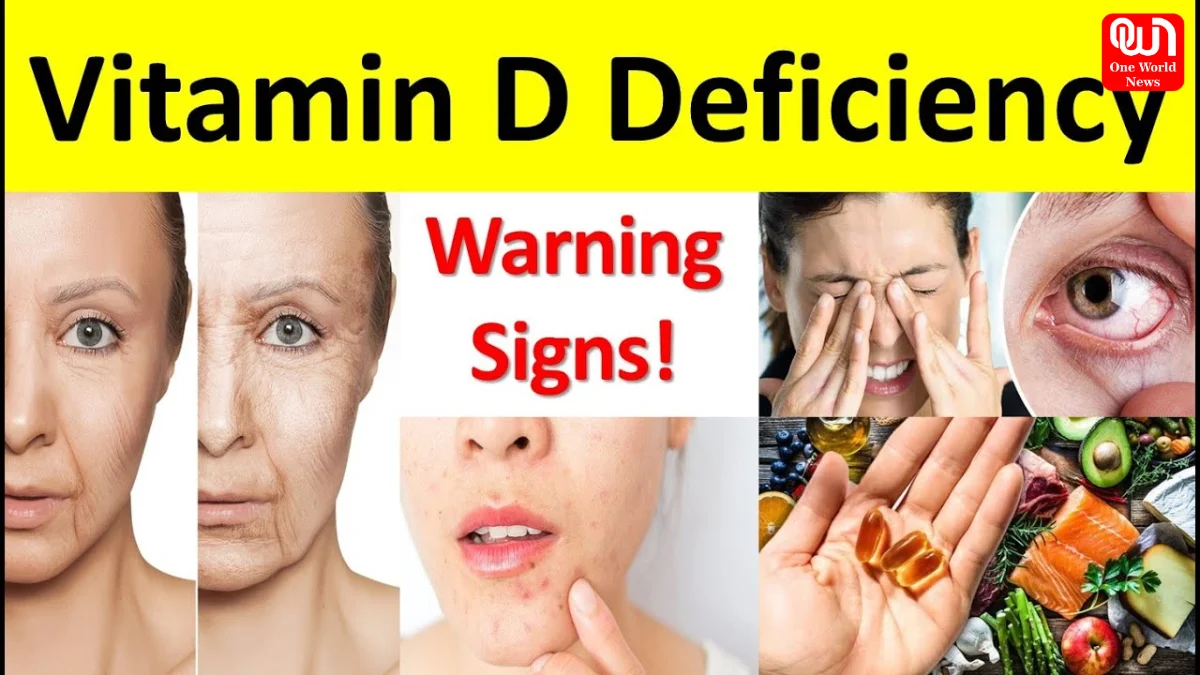
Vitamin D Deficiency Symptoms in Women: 10 Warning Signs, Common Causes, Health Risks, Diagnosis, Best Foods, Treatment & Prevention Tips
Vitamin D plays an essential role in maintaining strong bones, healthy muscles, a robust immune system, and overall well-being. Unfortunately, Vitamin D Deficiency Symptoms in Women often go unnoticed because they can develop slowly and resemble other health conditions. Women of all ages, especially those with limited sun exposure, pregnancy, menopause, or poor dietary intake, are at a higher risk of developing vitamin D deficiency.
Recognizing Vitamin D Deficiency Symptoms in Women early can help prevent serious complications such as osteoporosis, muscle weakness, and chronic fatigue. If left untreated, vitamin D deficiency may affect daily life, energy levels, and long-term health. A blood test measuring 25-hydroxyvitamin D is the standard way to diagnose deficiency.
Why Vitamin D Is Important for Women
Vitamin D helps the body absorb calcium and phosphorus, which are essential for healthy bones and teeth. It also supports muscle function, immune health, and nerve function. Women require adequate vitamin D throughout every stage of life, including adolescence, pregnancy, breastfeeding, and menopause.
Without enough vitamin D, the body cannot efficiently absorb calcium, increasing the risk of bone thinning, fractures, and muscle weakness over time.
Common Vitamin D Deficiency Symptoms in Women
1. Constant Fatigue
Feeling tired all day despite getting enough sleep may be one of the earliest Vitamin D Deficiency Symptoms in Women. Low vitamin D levels can reduce energy and affect physical performance.
2. Bone and Joint Pain
Persistent pain in the back, hips, legs, or joints may indicate vitamin D deficiency. Since vitamin D supports calcium absorption, low levels can weaken bones and increase discomfort.
3. Muscle Weakness
Women with vitamin D deficiency often experience muscle weakness, cramps, or difficulty climbing stairs, carrying groceries, or performing routine physical activities.
4. Frequent Illness
Vitamin D plays an important role in supporting the immune system. Low levels may increase susceptibility to colds, infections, and slower recovery.
5. Mood Changes
Several studies have linked vitamin D deficiency with depression, anxiety, mood swings, and low motivation. Although vitamin D is not the sole cause of these conditions, deficiency may contribute to them.
6. Hair Loss
While hair loss has many causes, severe vitamin D deficiency may contribute to excessive hair shedding or certain forms of alopecia.
7. Slow Wound Healing
Cuts, bruises, or surgical wounds that take longer than usual to heal could be associated with low vitamin D levels.
8. Poor Bone Health
Long-term deficiency increases the risk of osteoporosis, osteomalacia, and fractures, particularly after menopause.
Causes of Vitamin D Deficiency in Women
Several factors may contribute to Vitamin D Deficiency Symptoms in Women, including:
- Limited sunlight exposure
- Spending most time indoors
- Darker skin pigmentation
- Poor dietary intake
- Pregnancy and breastfeeding
- Obesity
- Aging
- Kidney or liver disorders
- Digestive conditions that reduce nutrient absorption
These factors may reduce the body’s ability to produce or absorb sufficient vitamin D.
Read more: Early Menopause: Symptoms, Causes And Health Effects Every Woman Should Know
Women at Higher Risk
Certain women are more likely to develop vitamin D deficiency:
- Pregnant women
- Breastfeeding mothers
- Women over 50
- Women with osteoporosis
- Women who wear clothing that limits sun exposure
- Women with digestive disorders like Crohn’s disease or celiac disease
- Individuals following restrictive diets
Foods Rich in Vitamin D
Adding vitamin D-rich foods to your daily diet can help maintain healthy levels.
Good dietary sources include:
- Salmon
- Tuna
- Sardines
- Egg yolks
- Fortified milk
- Fortified yogurt
- Cheese
- Mushrooms exposed to sunlight
- Fortified breakfast cereals
Although food helps, sunlight remains one of the body’s primary sources of vitamin D production.
How Is Vitamin D Deficiency Diagnosed?
Doctors usually recommend a simple blood test called the 25-hydroxyvitamin D test to determine vitamin D levels.
Depending on the results, healthcare providers may recommend:
- Vitamin D supplements
- Increased sunlight exposure
- Dietary improvements
- Regular monitoring through follow-up blood tests
Do not start high-dose vitamin D supplements without medical advice, as excessive intake can be harmful.
read more: Protein Meets Coffee: 6 Easy Proffee Recipes You Can Make in Under 5 Minutes
Tips to Prevent Vitamin D Deficiency
You can reduce your risk by following these healthy habits:
- Spend 10–30 minutes in sunlight several days each week (depending on skin type and local conditions).
- Eat vitamin D-rich foods regularly.
- Maintain a balanced diet with adequate calcium.
- Stay physically active.
- Get regular health check-ups if you are at higher risk.
- Take supplements only if prescribed by your healthcare provider.
Conclusion
Vitamin D Deficiency Symptoms in Women may begin subtly with tiredness, muscle weakness, or bone pain but can progress to more serious health problems if ignored. Early diagnosis, a nutritious diet, sensible sunlight exposure, and appropriate medical care can help restore healthy vitamin D levels and protect long-term bone, muscle, and immune health. If you experience persistent symptoms, consult a healthcare professional for proper evaluation and testing.
We’re now on WhatsApp. Click to join.
Like this post?
Register at One World News to never miss out on videos, celeb interviews, and best reads.