Fuel Prices Hiked For Fourth Time In 10 Days; Petrol, Diesel Costlier By Over Rs 2/L
Fuel Prices rise again as petrol and diesel rates increase for the fourth time in 10 days, impacting transport and daily expenses.

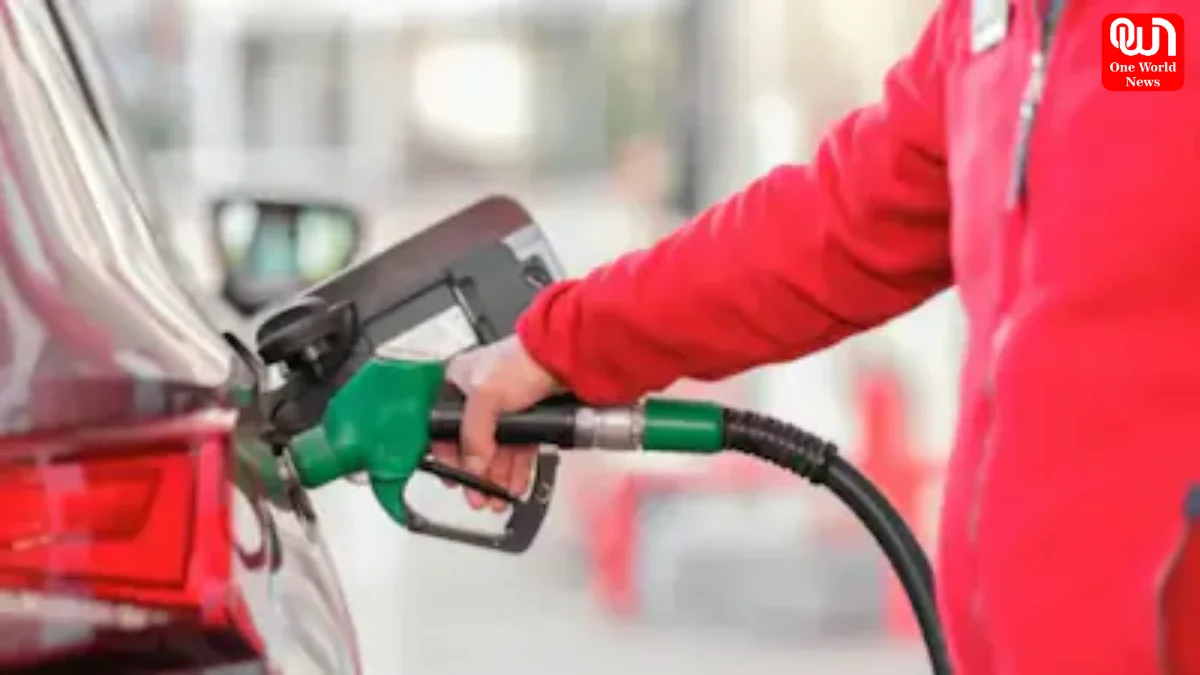
Fuel Prices Rise Again Across India: Petrol And Diesel Become Costlier By Over Rs 2 Per Litre In Just 10 Days
Fuel Prices in India have once again become a major concern for consumers as petrol and diesel prices were increased for the fourth time within just 10 days. The latest hike has pushed fuel rates higher by more than Rs 2 per litre, adding pressure on household budgets, transportation costs, and inflation. The continuous increase in Fuel Prices is affecting millions of commuters, businesses, and industries that rely heavily on fuel for daily operations.
The repeated rise in petrol and diesel rates comes at a time when consumers are already dealing with rising costs of essential goods and services. With every increase in Fuel Prices, transportation expenses rise, which eventually impacts the prices of vegetables, groceries, and other commodities.
Why Are Fuel Prices Increasing Repeatedly?
One of the primary reasons behind the increase in Fuel Prices is the rise in global crude oil prices. International crude oil markets have witnessed volatility due to geopolitical tensions, supply chain disruptions, and production cuts by oil-producing countries. Since India imports a large portion of its crude oil requirements, any rise in global oil prices directly impacts domestic fuel rates.
Another factor contributing to higher Fuel Prices is the fluctuation of the Indian rupee against the US dollar. A weaker rupee makes crude oil imports more expensive, leading to an increase in petrol and diesel prices across the country.
Apart from international factors, taxes imposed by the central and state governments also play a major role in determining Fuel Prices. Excise duty and VAT significantly add to the retail cost paid by consumers.
Impact Of Rising Fuel Prices On Common People
The latest hike in Fuel Prices is expected to affect daily life in several ways. People who commute regularly using private vehicles will now have to spend more on fuel every month. Taxi drivers, delivery workers, and transport operators are among the worst affected due to rising operational expenses.
Read more: Political Roundup: Massive Arms Recovery in Manipur Sparks Nationwide Security Debate
Higher Fuel Prices also lead to increased transportation charges, which ultimately affect the prices of food items and consumer goods. Businesses may pass on the extra transportation costs to customers, contributing to inflation.
Middle-class families and small business owners are likely to feel the financial burden the most. Continuous hikes in petrol and diesel prices reduce disposable income and increase overall living expenses.
Petrol And Diesel Prices In Major Cities
Following the latest revision in Fuel Prices, petrol and diesel rates have increased in several metropolitan cities including Delhi, Mumbai, Chennai, and Kolkata. While the exact prices vary depending on local taxes and transportation costs, consumers across the country are witnessing a steady rise in fuel expenses.
In many cities, petrol prices are nearing record highs, while diesel rates are also climbing rapidly. Experts believe that if global crude oil prices remain unstable, Fuel Prices may continue to rise in the coming weeks.
Government Response To Fuel Prices Hike
The government has stated that international market conditions are largely responsible for the increase in Fuel Prices. Officials have emphasized that oil companies revise fuel rates based on global crude prices and currency exchange rates.
However, opposition parties and consumer groups have criticized the repeated hikes, demanding tax reductions to provide relief to the public. Many experts believe that reducing excise duty and VAT could help stabilize Fuel Prices and ease inflationary pressure.
The government may also explore alternative measures such as increasing domestic production and promoting electric vehicles to reduce dependency on imported crude oil.
How Rising Fuel Prices Affect The Economy
Increasing Fuel Prices not only impact consumers directly but also influence the overall economy. Rising fuel costs can lead to higher inflation, reduced consumer spending, and increased production costs for businesses.
Industries such as logistics, aviation, agriculture, and manufacturing are particularly vulnerable to fuel price fluctuations. Farmers may face higher expenses for irrigation and transportation, while businesses may experience reduced profit margins.
Economists warn that prolonged increases in Fuel Prices can slow economic growth by reducing purchasing power and increasing operational costs across sectors.
Will Fuel Prices Continue To Rise?
Market experts suggest that Fuel Prices may remain volatile depending on global crude oil trends and geopolitical developments. If international oil prices continue to rise, Indian consumers could see further increases in petrol and diesel rates.
However, any reduction in global crude prices or government intervention through tax cuts could provide temporary relief. Consumers are advised to monitor daily fuel rate updates and plan their travel and expenses accordingly.
We’re now on WhatsApp. Click to join.
Like this post?
Register at One World News to never miss out on videos, celeb interviews, and best reads.