New H-1B Bill Proposes Major Shift: 3-Year Freeze & $200,000 Salary Rule Explained
New H-1B Bill Proposes 3-year freeze & $200,000 salary rule. Learn how it impacts Indian students, IT professionals, and US jobs.

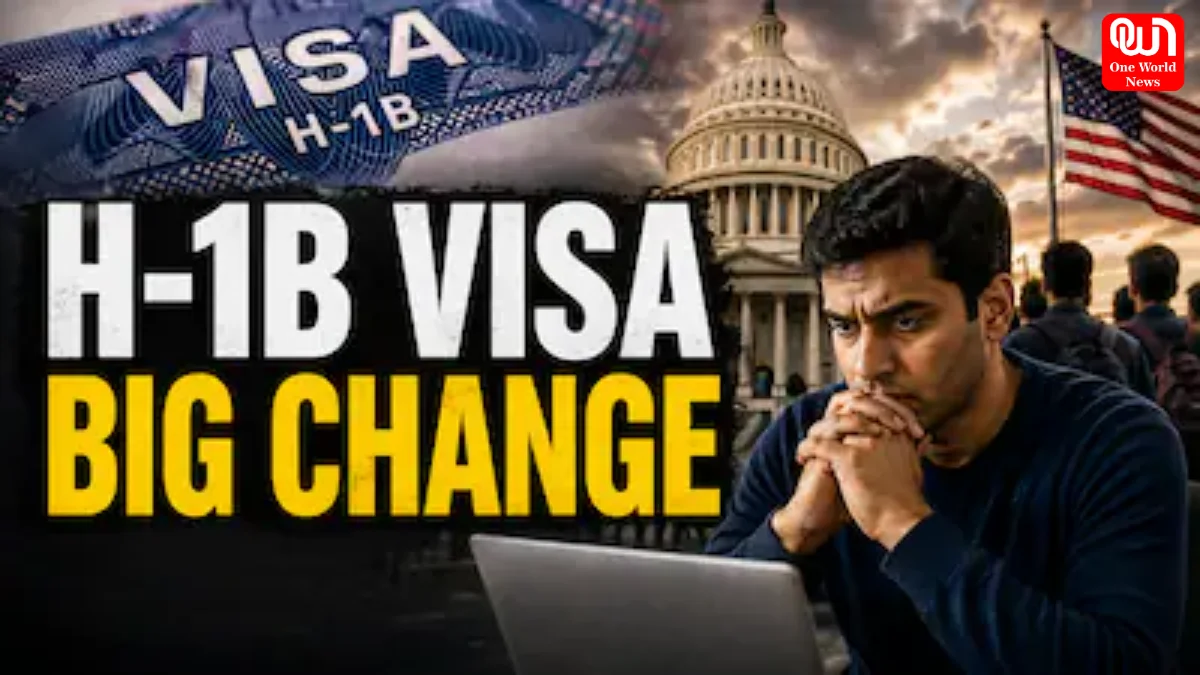
New H-1B Bill Proposes 3-Year Freeze and $200,000 Salary Rule: What It Means For Indians, Students, and Tech Professionals
The debate around the H-1B visa program in the United States has taken a dramatic turn with a new legislative proposal that could reshape the future of skilled migration. The “End H-1B Visa Abuse Act of 2026”, introduced by Republican lawmakers, proposes sweeping changes that directly impact thousands of Indian professionals and students.
At the heart of this proposal are two major changes: a three-year freeze on new H-1B visas and a minimum salary requirement of $200,000. While the bill is still in early stages and may evolve, its implications are significant—especially for Indians, who form the largest group of H-1B visa holders.
What Does the New H-1B Bill Propose?
The bill goes far beyond minor reforms and aims to overhaul the entire system. Here are the key highlights:
- 3-year freeze on new H-1B visas
- Minimum salary threshold of $200,000 per year
- Reduction in visa cap from 65,000 to 25,000
- Replacement of lottery system with wage-based selection
- Restrictions on dependents and elimination of OPT program
This means the current pathway—study in the US, gain work experience through OPT, and transition to H-1B—could be disrupted entirely.
Why This Bill Matters So Much for Indians
Indians dominate the H-1B ecosystem, particularly in sectors like IT, healthcare, and engineering. Any structural change to the program directly affects:
- Indian IT professionals working in the US
- Students planning higher education abroad
- Families dependent on H-1B visa holders
Experts warn that such a bill could “reset” the entire skilled migration pipeline, which Indians have relied on for decades.
For many Indian families, the US has been a long-term career destination. This bill challenges that assumption.
Read more: IIFL Finance Gold Loan Highlights the Growing Demand for Secure, Fast Credit Solutions
Impact of the $200,000 Salary Rule
One of the most controversial aspects of the proposal is the $200,000 minimum salary requirement.
At first glance, it may seem like a move to attract top talent. However, in reality:
- Many mid-level professionals won’t qualify
- Entry-level candidates and fresh graduates will be excluded
- Sectors like academia and healthcare may struggle
This effectively limits H-1B visas to only the highest-paid professionals, shutting out a large portion of Indian talent.
What the 3-Year Freeze Could Mean
A complete freeze on new H-1B visas for three years could have serious consequences:
- Students graduating in the US may have no work pathway
- Companies may stop hiring international talent
- Existing visa holders could face uncertainty
In extreme cases, individuals may have to leave the US or switch visa categories if options shrink.
Impact on Indian Students
Perhaps the biggest shock comes from the proposed end of the OPT (Optional Practical Training) program.
OPT currently allows students to:
- Work in the US after graduation
- Gain industry experience
- Transition into H-1B roles
Without OPT, the return on investment for expensive US education becomes questionable. Many students may start looking at alternative destinations like Canada, the UK, or Australia.
Will This Bill Actually Become Law?
Despite its strong proposals, experts caution against panic. Historically, many such bills are introduced for political signaling and may not pass in their original form.
Passing such legislation requires:
- Approval in both houses of US Congress
- Significant political consensus
Given these challenges, the final version—if passed—could be less extreme.
Final Thoughts
The New H-1B Bill Proposes one of the most aggressive overhauls of the US immigration system in recent years. While it aims to prioritize domestic workers, it also raises concerns about global talent mobility and economic impact.
For Indians, the stakes are especially high. From students dreaming of studying abroad to professionals building careers in Silicon Valley, this bill could redefine the “American Dream.”
However, until it becomes law, it remains a proposal—one that signals a shift in policy direction but not yet a final outcome.
We’re now on WhatsApp. Click to join.
Like this post?
Register at One World News to never miss out on videos, celeb interviews, and best reads.