West Bengal Elections 2026: How ‘Street Fighter’ Mamata Banerjee Channeled Her ‘Didi’ Power
West Bengal Elections 2026: How Mamata Banerjee uses ‘Didi’ image, welfare schemes & street politics to dominate Bengal’s political landscape.

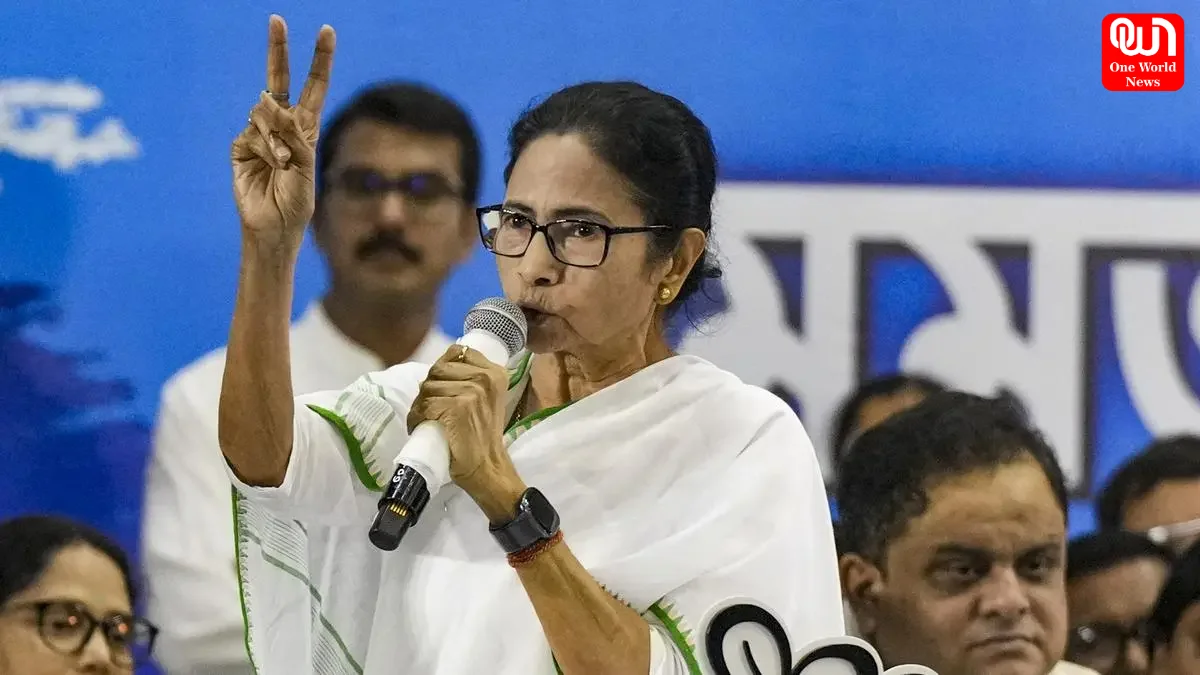
West Bengal Elections 2026: Inside Mamata Banerjee’s ‘Didi’ Strategy, Welfare Politics & Street-Fighter Image That Defines Bengal’s Battle
The West Bengal Elections 2026 have once again placed Mamata Banerjee at the center of India’s most intense political battleground. Known as a relentless “street fighter,” Banerjee has built a unique political identity that blends grassroots activism with a deeply emotional connection to voters—popularly known as her “Didi” persona.
As the state heads to polls across 294 constituencies in April 2026, the contest is not just political—it is deeply personal, symbolic, and narrative-driven. All India Trinamool Congress (TMC), led by Banerjee, faces a strong challenge from the Bharatiya Janata Party (BJP), making this election a high-stakes showdown.
Read more: Indian Killed In Iran Attack On Kuwait Power Plant Amid Rising Middle East Tensions
The ‘Didi’ Persona: Emotional Politics at Its Peak
Mamata Banerjee’s biggest political strength lies in her carefully cultivated “Didi” (elder sister) image. Unlike traditional politicians, she positions herself as a guardian of the poor, women, and marginalized communities.
Her governance model—often called the “Didi Model”—focuses heavily on welfare schemes. Programs such as direct cash transfers, free healthcare, and food security have strengthened her bond with voters. These initiatives are not just policies; they are emotional connectors that reinforce trust.
This emotional appeal becomes crucial during elections. Banerjee doesn’t just campaign—she connects, often speaking in simple language, invoking Bengali identity, and presenting herself as the protector of the state’s culture and autonomy.
Street Fighter Image: Politics Beyond the Podium
Banerjee’s “street fighter” reputation is not a media creation—it is rooted in decades of political संघर्ष (struggle). From protests to physical confrontations in her early career, she has always projected resilience.
In the West Bengal Elections 2026, this image is visible again. She has taken aggressive positions on voter list issues, alleging manipulation and disenfranchisement, calling it a threat to democracy.
Her party has also raised concerns about large-scale voter additions and irregularities, turning electoral integrity into a major campaign issue.
This strategy reinforces her narrative: she is not just contesting elections—she is “fighting” for Bengal.
Welfare + Identity: The Winning Formula
Banerjee’s campaign masterstroke lies in combining welfare politics with identity-driven messaging.
On one hand, she highlights schemes benefiting women, students, and low-income families. On the other, she frames the election as a battle to protect Bengali culture and lifestyle.
For example, she has warned voters about potential cultural restrictions under rival rule, including food habits and social freedoms.
This dual strategy—economic support + cultural protection—creates a powerful electoral narrative that resonates across rural and urban Bengal.
High-Voltage Political Battle
The West Bengal Elections 2026 are marked by intense political clashes. The BJP has mounted a strong campaign, accusing Banerjee of governance failures and political intimidation.
Meanwhile, key leaders like Suvendu Adhikari continue to challenge her dominance, especially after past electoral battles like Nandigram.
Despite this, opinion polls suggest that Banerjee remains the preferred मुख्यमंत्री face, with TMC projected to retain power, albeit with a reduced margin.
Her confidence is evident—she has even hinted at expanding her political influence beyond Bengal after the elections.
Read more: Protein Condom: April Fool’s or Genius Marketing by an Indian Fitness Brand?
Why ‘Didi’ Still Matters in 2026
What makes Mamata Banerjee unique in the West Bengal Elections 2026 is her ability to merge personality with policy.
- Relatable leadership: She is seen as accessible and grounded
- Consistent messaging: Welfare + identity remains central
- Fighter instinct: She thrives in high-pressure political battles
Even after over a decade in power, she continues to position herself as an outsider fighting powerful forces—a narrative that resonates strongly with voters.
Conclusion
The West Bengal Elections 2026 are more than a routine democratic exercise—they are a test of Mamata Banerjee’s enduring political formula. By channeling her “Didi” identity and leveraging her “street fighter” image, she has transformed elections into a deeply personal connection with the Audience.
Whether this strategy delivers another victory will be decided soon, but one thing is certain: in Bengal politics, Mamata Banerjee is not just a leader—she is a phenomenon.
We’re now on WhatsApp. Click to join.
Like this post?
Register at One World News to never miss out on videos, celeb interviews, and best reads.