Eiffel Tower Day 2026: Honoring a Timeless Symbol of Paris
Eiffel Tower Day 2026 celebrates the iconic Paris landmark, its rich history since March 31, 1889, and its enduring cultural and engineering legacy.

Eiffel Tower Day 2026: Celebrating the Iconic Paris Landmark’s History, Engineering, and Global Cultural Impact
Eiffel Tower Day 2026 falls on March 31, the anniversary of the Eiffel Tower’s completion and inauguration in 1889, when this iron lattice masterpiece was unveiled as the centerpiece of the Exposition Universelle celebrating the centenary of the French Revolution. For more than a century, the Eiffel Tower has stood as an emblem of innovation, art, and the enduring spirit of Paris — drawing millions of visitors from around the world and inspiring countless artists, engineers, and dreamers.
Read more: Political Roundup: Key Global & India Headlines for February 17, 2026
A Landmark Born From Vision and Controversy
The story of the Eiffel Tower begins in the late 19th century, when the organizers of the 1889 World’s Fair sought a distinctive structure to symbolize France’s industrial strength and cultural prowess. Gustave Eiffel’s design — featuring an iron lattice frame reaching skyward — was selected from among numerous proposals.
Construction began in 1887 and was completed in just over two years, with over 18,000 metallic parts, 2.5 million rivets, and countless hours of precise craftsmanship. When the tower was finished on March 31, 1889, Eiffel himself raised the French tricolor at its summit, marking a triumphant moment that established the structure as a bold architectural milestone.
Despite its later fame, the tower was initially met with criticism. Some artists and intellectuals derided its stark industrial design as unsightly and feared it would tarnish Paris’s beauty. Yet public fascination and admiration grew quickly once the tower began drawing crowds from both France and abroad.
From Tallest Structure to Global Icon
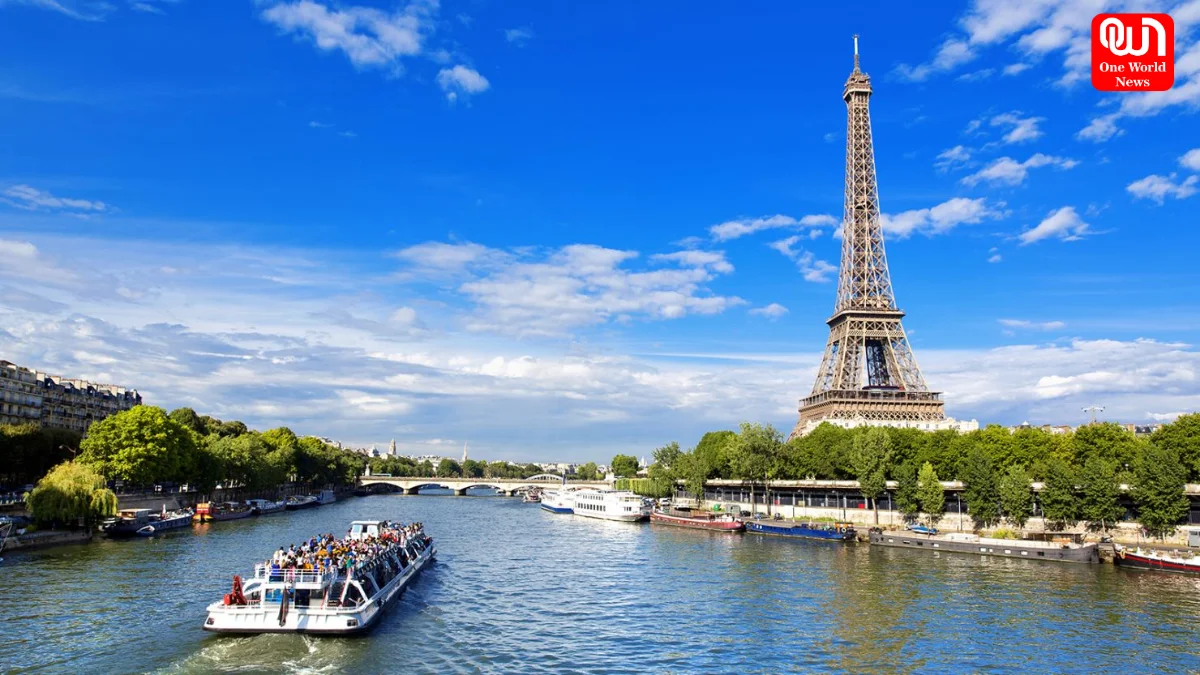
When completed, the Eiffel Tower was the tallest man-made structure on Earth, surpassing the Washington Monument and holding that title until 1930. Its iron frame, rising nearly 330 meters above the Champ de Mars, offered breathtaking views of Paris and forever changed how architects approached tall-scale construction.
In the years that followed, the tower evolved from fair attraction to enduring cultural symbol. Its distinctive silhouette became synonymous with Parisian identity, appearing in art, music, literature, and film around the globe. Today, this “Iron Lady” is one of the most visited monuments in the world, attracting millions of tourists each year who come to admire its engineering beauty and panoramic vistas.
How Eiffel Tower Day Is Celebrated
On Eiffel Tower Day 2026, people around the world — particularly in France — reflect on what the tower represents: ingenuity, resilience, and the bridging of art with science. In Paris, commemorations often include lighting displays, historical exhibitions, guided tours, and social media storytelling that bring the tower’s storied past to life.
Educators and travel enthusiasts use the day to highlight interesting facts: from the tower’s originally graphed reddish-brown paint to the sophisticated latticework that resists wind forces, to the innovative use of the tower for radio transmission in the early 20th century.
Even outside France, Eiffel Tower Day inspires celebrations. Social media posts tagged with the event trend under themes of travel nostalgia, architectural admiration, and cultural appreciation. For many, the tower signifies not only Paris but an ideal of beauty, romance, and human achievement shared across borders.
Read more: Gold and Silver Prices Fall: Is This the Right Time to Invest?
Why the Eiffel Tower Still Captivates
Many landmarks fade into history, but the Eiffel Tower continues to fascinate because its story mirrors human ambition. It was envisioned not merely as a structure, but as a bold declaration of possibility — a vision that engineering and art can rise together.
Architectural students study its frame, historians delve into its controversial reception, and tourists marvel at its soaring heights and sweeping views over the Seine. The tower’s presence in Paris’s skyline has made it a canvas for celebrations of culture, sports, and global events — from dazzling light shows to commemorative anniversaries.
Beyond Tourism — A Living Piece of History
The Eiffel Tower has also adapted with time. What began as a temporary exhibition installation evolved into a permanent monument thanks to its practical uses, such as early radio transmissions and scientific observations. Over the decades, it has withstood world wars, cultural transformations, and technological progress, remaining an anchor of French identity and a beacon for visitors worldwide.
Looking Forward on Eiffel Tower Day 2026
As we celebrate Eiffel Tower Day 2026, we honor not only an architectural icon but also the collective creativity that makes monuments timeless. The Eiffel Tower’s legacy — from controversy at its inception to admiration in every corner of the world — reminds us that great achievements often start with daring ideas.
Every year on March 31, admirers pause to reflect on this remarkable structure, bridging past and present while inviting future generations to see Paris — and the world — from new heights.
We’re now on WhatsApp. Click to join.
Like this post?
Register at One World News to never miss out on videos, celeb interviews, and best reads.