Indus Water: India to Stop Ravi Waters to Pakistan As Shahpur Kandi Dam Nears Finish
India plans to halt surplus Ravi waters flow to Pakistan as the Shahpur Kandi Dam nears completion, marking a shift after the Indus Water Treaty move.

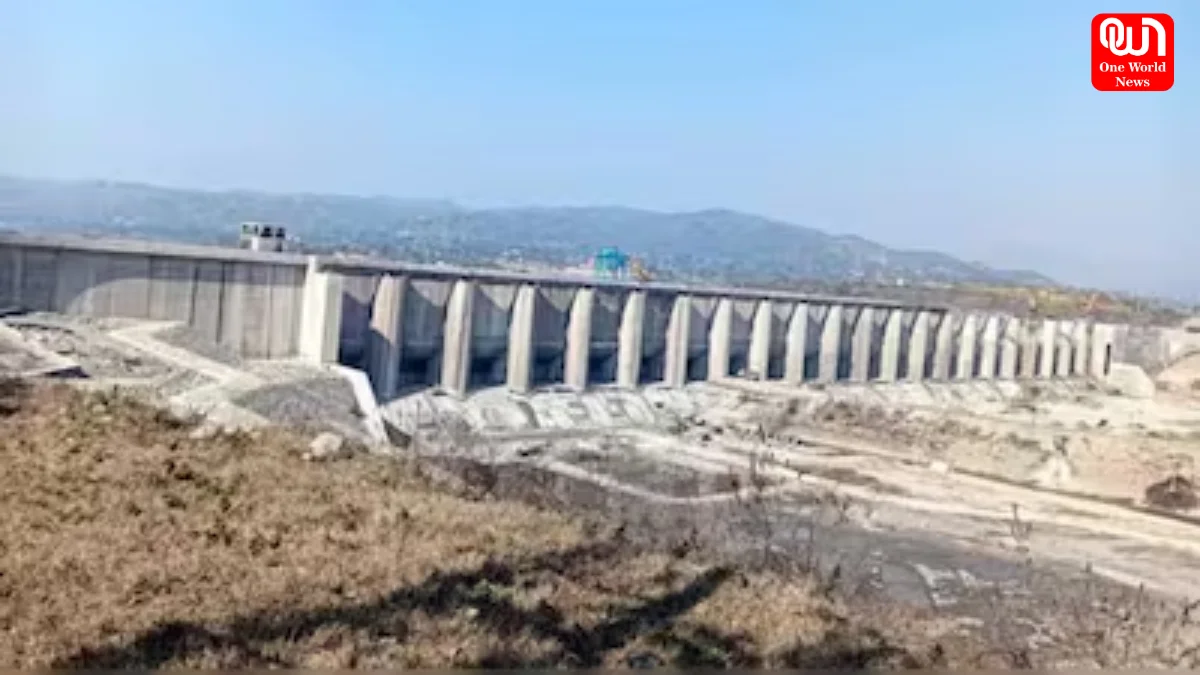
After Indus Water Move, India to Stop Excess Ravi Waters to Pakistan as Shahpur Kandi Dam Nears Completion
India is set to significantly reduce the flow of surplus Ravi Waters into Pakistan as the long-delayed Shahpur Kandi Dam project approaches completion. The move follows recent developments surrounding the Indus Water framework and signals a strategic shift in how India intends to utilize its share of river waters under existing agreements.
The Shahpur Kandi Dam, located in Punjab’s Pathankot district, has been under development for years but gained renewed momentum in recent times. Once fully operational, the dam is expected to enhance irrigation capacity and boost hydroelectric generation within Indian territory — ensuring that waters allocated to India under the Indus Water Treaty are fully utilized domestically rather than flowing unused across the border.
Understanding the Indus Water Framework
Under the 1960 Indus Water Treaty between India and Pakistan, the waters of the eastern rivers — Ravi, Beas, and Sutlej — were allocated to India, while the western rivers — Indus, Jhelum, and Chenab — were primarily designated for Pakistan. However, due to infrastructure limitations in the past, India was not always able to fully harness its share of Ravi Waters, resulting in some surplus flow into Pakistan.
The nearing completion of the Shahpur Kandi Dam changes that equation. By increasing storage and diversion capacity, the project allows India to utilize water that would otherwise cross the border.
Read mmore: Gold and Silver Prices Fall: Is This the Right Time to Invest?
Strategic and Agricultural Implications
Officials indicate that the project will strengthen irrigation networks across Punjab and Jammu & Kashmir. Thousands of hectares of farmland are expected to benefit from improved water supply, enhancing agricultural productivity in water-stressed regions.
Beyond irrigation, the dam will also contribute to hydroelectric power generation, supporting local energy needs. In a country where water security and agricultural sustainability are increasingly critical, the effective use of Indus Water resources has both economic and strategic importance.
Geopolitical Sensitivities
Water has long been a sensitive issue between India and Pakistan. Any development affecting transboundary rivers tends to draw political attention. While Indian authorities maintain that the Shahpur Kandi project operates fully within the rights granted under the treaty, the move may still be viewed cautiously across the border.
Experts note that India’s emphasis is not on stopping water arbitrarily but on ensuring optimal utilization of its allocated share. From a legal standpoint, the Indus Water Treaty permits India to build storage and run-of-the-river hydroelectric projects on the eastern rivers, including the Ravi.
Nevertheless, given the fragile diplomatic climate between the two nations, infrastructure developments tied to Ravi Waters can carry broader geopolitical implications.
Delays and Revival of Shahpur Kandi Dam
The Shahpur Kandi Dam project faced multiple delays over the years due to administrative, political, and inter-state coordination challenges. However, renewed focus on water management and national infrastructure priorities has accelerated its final stages.
With construction nearing completion, authorities are preparing for operational testing and phased water regulation. Once active, the dam will play a pivotal role in channeling waters for irrigation canals rather than allowing excess flow into Pakistan.
A Broader Water Security Push
The development aligns with India’s broader efforts to strengthen water infrastructure, enhance river basin management, and improve agricultural resilience. Climate change, erratic rainfall patterns, and rising demand have made efficient water utilization a national priority.
By maximizing its allocation under the Indus Water arrangement, India aims to reinforce water sovereignty while remaining within treaty provisions.
Read more: Political Roundup: Key Global & India Headlines for February 17, 2026
What Comes Next
As the Shahpur Kandi Dam moves closer to full commissioning, attention will shift to implementation and monitoring. The operationalization of the project will determine how effectively India can manage Ravi Waters for irrigation and energy without triggering diplomatic friction.
While the Indus Water Treaty has historically survived periods of tension between the two countries, water infrastructure developments will continue to be closely watched.
For now, the completion of the Shahpur Kandi Dam represents a significant step in India’s water management strategy — combining infrastructure development, agricultural support, and geopolitical calculation under the broader framework of Indus Water governance.
We’re now on WhatsApp. Click to join.
Like this post?
Register at One World News to never miss out on videos, celeb interviews, and best reads.