Tantia Bhil: The Forgotten Tribal Freedom Fighter of India
Tantia Bhil, known as Tantya Mama, defied British rule and became a tribal hero who fought injustice and helped the poor.

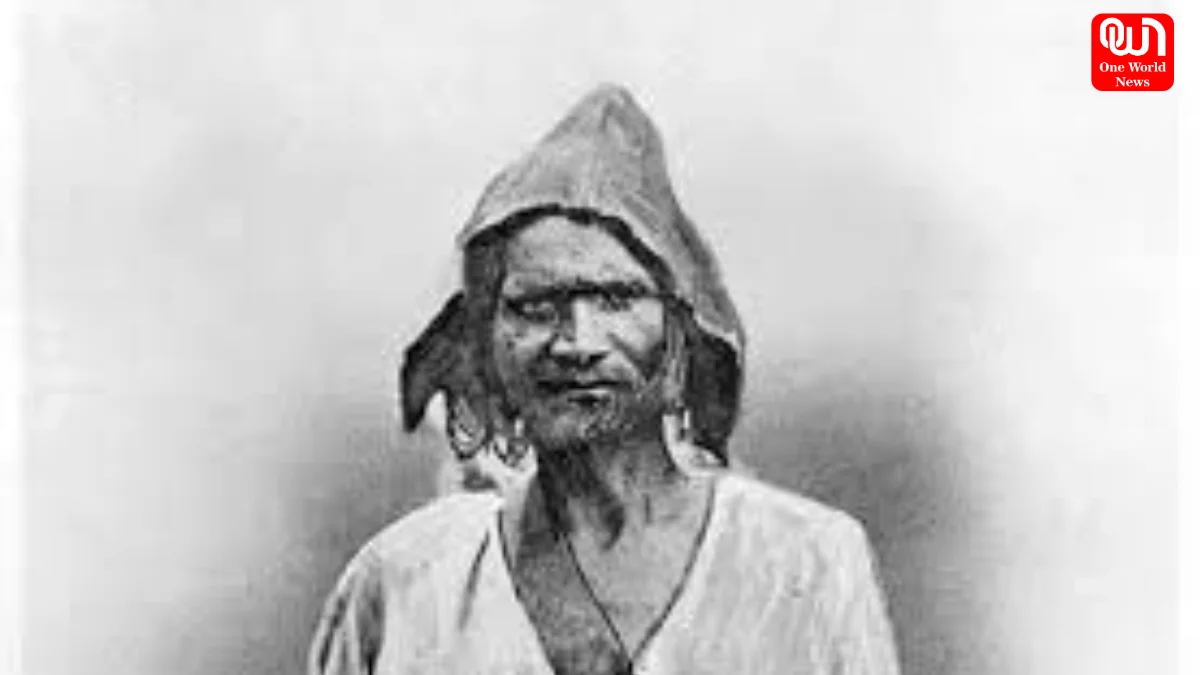
Tantia Bhil: The Tribal Robin Hood Who Defied the British and Became a Symbol of Resistance in India
History often celebrates emperors and political leaders, but many grassroots heroes remain buried in the margins of textbooks. One such powerful figure is Tantia Bhil, affectionately known as Tantya Mama — a tribal warrior whose courage echoed through the forests of Central India during British rule.
Born in the tribal heartlands of present-day Madhya Pradesh in the mid-19th century, Tantia Bhil did not rise to power through royal bloodlines or political office. He emerged from among the people — as their protector, their defender, and eventually, their legend.
The Rise of a Tribal Hero
The Bhil community, one of India’s oldest tribal groups, faced severe exploitation under British colonial administration and local landlords. Heavy taxation, land displacement, and economic oppression pushed many tribal families into poverty and hunger.
It was during these turbulent times that Tantia Bhil chose rebellion over silence.
Rather than accept injustice, he organized resistance. Deeply familiar with the dense forests and rugged terrain of Central India, he used his knowledge strategically. His guerrilla tactics made it nearly impossible for British forces to capture him for years.
The British labeled him a “dacoit” — a bandit. But for the poor and marginalized, Tantia Bhil was something entirely different.
The Tribal Robin Hood
Tantia Bhil became widely known as the “Tribal Robin Hood” of India. He reportedly targeted British treasuries, wealthy landlords, and exploitative moneylenders — redistributing the seized wealth among starving villages and oppressed communities.
His actions were not driven by personal gain. Instead, they were rooted in justice. For many tribal families, Tantya Mama became a symbol of hope during a time of despair.
His name spread rapidly across villages, carried through whispers and songs. Children grew up hearing stories of his bravery. To them, he was not an outlaw — he was a savior.
Read more: Political Roundup: Key Global & India Headlines for February 17, 2026
Outsmarting the British
For nearly a decade, Tantia Bhil successfully evaded British forces. He built strong networks within tribal communities, who often shielded him from colonial authorities. His intimate knowledge of forest routes and survival skills gave him a decisive advantage.
The British administration grew increasingly frustrated. Despite deploying large contingents of police and soldiers, they struggled to suppress his activities. His resistance was not just physical — it was psychological. He represented a challenge to colonial authority and inspired others to question imperial rule.
Eventually, in 1889, Tantia Bhil was captured after what many accounts describe as betrayal. He was executed by the British, who believed his death would end the rebellion.
But legends are not so easily silenced.
Legacy That Still Lives
Even after his execution, the spirit of Tantia Bhil endured. In tribal folklore, he remains a hero — a man who stood up for dignity and justice when others feared retaliation. His story continues to be told in songs, local narratives, and community gatherings across parts of Madhya Pradesh and neighboring states.
For many, Tantya Mama symbolizes resistance rooted in compassion. He did not fight for conquest or recognition. He fought for fairness.
In modern India, as discussions about tribal rights, land protection, and social justice continue, his legacy feels strikingly relevant. His life reminds us that freedom movements were not led only by famous national figures, but also by countless regional heroes whose sacrifices shaped history.
Remembering the Forgotten
Mainstream history often overlooks tribal leaders, focusing instead on urban political movements. Yet figures like Tantia Bhil played a crucial role in resisting colonial exploitation at the grassroots level.
Remembering him is not just about honoring the past — it is about acknowledging the diverse voices that contributed to India’s long struggle for justice.
He may not appear prominently in every textbook, but in the hearts of the people, his name still carries weight.
Rad more: Gold and Silver Prices Fall: Is This the Right Time to Invest?
A Legend Written in Sacrifice
Tantia Bhil was not a king crowned with gold. He was not backed by armies or institutions. He was a forest warrior who chose courage over comfort and justice over fear.
His story is a reminder that true heroism often rises from the margins.
As we reflect on forgotten legends and unsung freedom fighters, Tantia Bhil stands tall — not merely as a historical figure, but as a symbol of resistance, resilience, and sacrifice.
History may not always write such names in golden ink. But the people remember.
And that is where legends truly live.
We’re now on WhatsApp. Click to join.
Like this post?
Register at One World News to never miss out on videos, celeb interviews, and best reads.