World Bipolar Day 2026: Why March 30 Matters for Global Awareness
World Bipolar Day 2026 on March 30 raises global awareness, challenges stigma, and supports understanding of bipolar disorder worldwide.

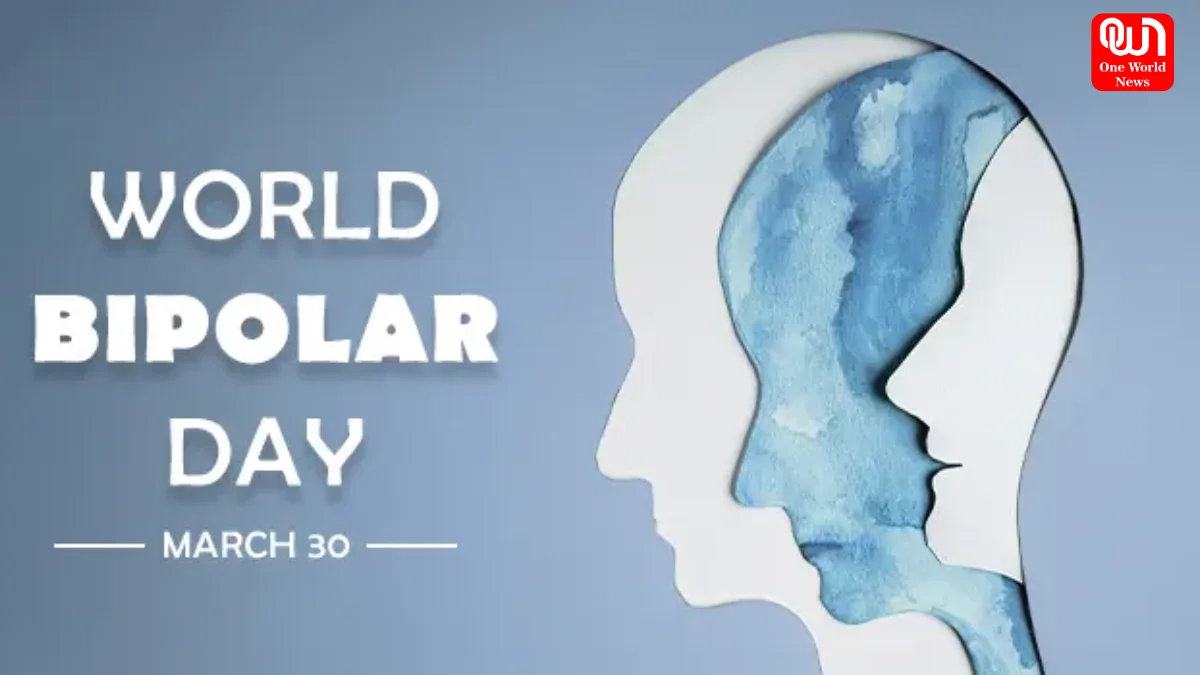
World Bipolar Day 2026: Raising Awareness, Ending Stigma and Understanding Bipolar Disorder
World Bipolar Day 2026 will be observed on March 30, 2026, a date chosen to coincide with the birthday of Vincent van Gogh — a legendary artist who is believed to have experienced bipolar disorder. Celebrated every year on March 30, World Bipolar Day aims to raise global awareness about bipolar disorder, improve understanding of the condition, and combat the stigma that many individuals living with it continue to face.
The Origins of World Bipolar Day
World Bipolar Day began as an initiative led by the International Society for Bipolar Disorders (ISBD) in partnership with the International Bipolar Foundation (IBPF) and the Asian Network of Bipolar Disorder (ANBD). The date was selected to honor Vincent van Gogh’s legacy and to create a shared moment each year for education, advocacy, and support around bipolar disorder.
What Is Bipolar Disorder?
Bipolar disorder is a mental health condition characterized by significant fluctuations in mood, energy, activity levels, and the ability to carry out daily tasks. Individuals living with bipolar disorder experience periods of intense emotional highs (mania or hypomania) and lows (depression), which can profoundly affect relationships, work, and overall quality of life.
Read more: Political Roundup: Global Power Shifts from AI Diplomacy to Ukraine Peace Talks
Though mood variations are part of the human experience, bipolar disorder involves more extreme shifts that can last for days or weeks, requiring professional diagnosis and ongoing care.
Why World Bipolar Day Matters
World Bipolar Day is about more than marking a date on the calendar — its purpose is threefold:
1. Raise Awareness: Educating the public about what bipolar disorder is, how it manifests, and the importance of accurate diagnosis helps dispel myths and increases empathy.
2. Eliminate Stigma: Stigma remains a major barrier for people living with bipolar disorder, often preventing them from seeking help or feeling understood by society. World Bipolar Day encourages open discussion and supports compassionate attitudes toward mental health.
3. Encourage Support: The day promotes resources, treatment options, and supportive communities that can help individuals and families navigate life with bipolar disorder.
Observing World Bipolar Day 2026
Around the world, organizations, schools, workplaces, and advocates participate in World Bipolar Day by hosting events, workshops, webinars, and social campaigns. These activities highlight the realities of living with bipolar disorder and offer practical tools for understanding and empathy.
In recent years, online engagement has played a key role. People use social media to share personal stories, facts, and supportive messages, often with hashtags and digital campaigns designed to spread awareness widely on March 30 and beyond.
Many groups also use this day to present educational materials, including signs and symptoms of bipolar disorder, strategies for emotional support, and information about treatment and care. This helps reach audiences who may be unfamiliar with the condition or affected indirectly through friends and family.
The Broader Impact
World Bipolar Day highlights the fact that bipolar disorder is common and affects people of all ages, backgrounds, and cultures. Estimates suggest that millions of individuals across the world live with bipolar disorder, though many face misdiagnosis and social discrimination.
The day also reinforces the connection between mental health and overall well-being. By promoting understanding and acceptance, World Bipolar Day contributes to a broader movement that supports mental wellness as an essential part of human health.
read more: India Set To Get Its First National Cow Culture Museum In Mathura
A Day of Hope and Inclusion
At its heart, World Bipolar Day 2026 is a day of human connection. It gives voice to experiences often left in silence and invites society to listen, learn, and respond with care. Whether through educational events, community gatherings, or online dialogues, the day provides a platform to uplift individuals living with bipolar disorder and promote a world where everyone feels understood and supported.
Recognizing March 30 as World Bipolar Day means acknowledging both the challenges and the strengths of those affected. It is a reminder that mental health awareness is a shared responsibility and that progress begins with understanding.
We’re now on WhatsApp. Click to join.
Like this post?
Register at One World News to never miss out on videos, celeb interviews, and best reads.