India Set To Get Its First National Cow Culture Museum In Mathura
National Cow Culture Museum in Mathura will showcase India’s indigenous cattle heritage, research, culture, and cow-based traditions.

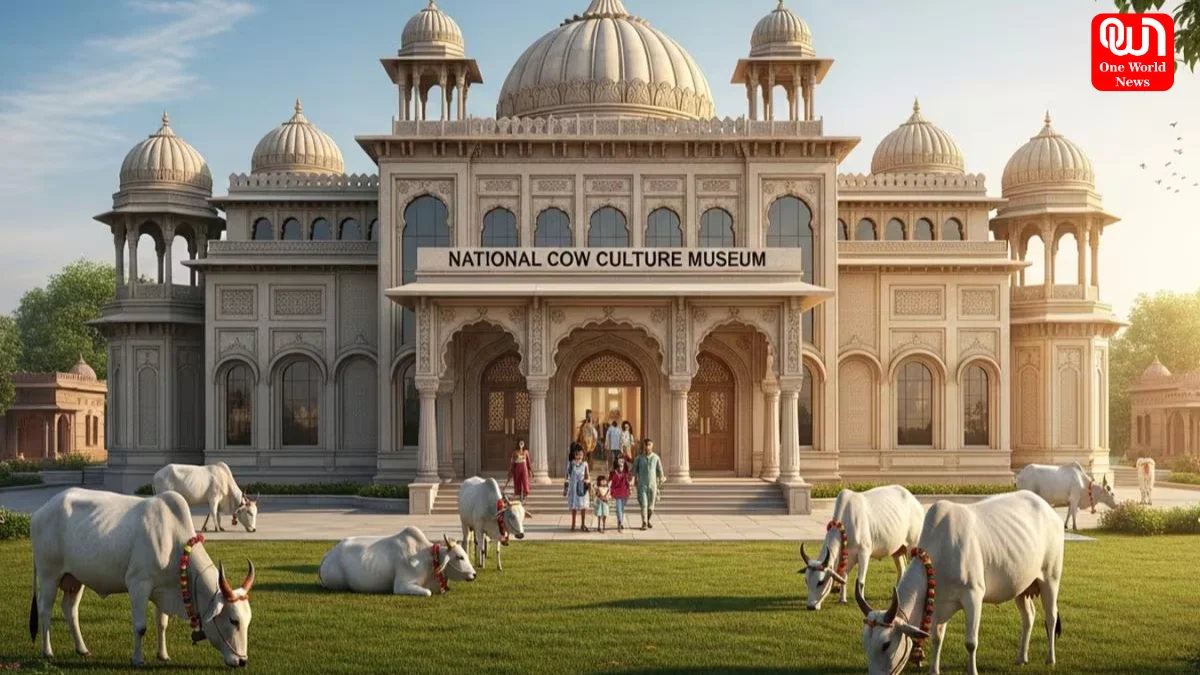
National Cow Culture Museum In Mathura: India’s First Dedicated Museum Celebrating Indigenous Cattle Heritage, Research, And Cultural Legacy
India is set to establish its first-ever National Cow Culture Museum in Mathura, Uttar Pradesh — a city deeply rooted in spiritual and cultural traditions. The initiative aims to preserve, promote, and document the historical, agricultural, scientific, and cultural importance of indigenous cows in India. Mathura, associated with Lord Krishna and centuries-old cow reverence, has been chosen as the ideal location for this landmark project.
The National Cow Culture Museum is expected to become a major cultural and educational center dedicated to showcasing the role of cows in Indian civilization, rural economy, Vedic traditions, and sustainable agriculture. Authorities believe the museum will attract scholars, researchers, and tourists from across the country.
Read more: PM Modi Makes Historic Touchdown on Northeast’s First Emergency Landing Highway
Purpose Behind The National Cow Culture Museum
The primary goal of the National Cow Culture Museum is to highlight the significance of indigenous cow breeds and their contribution to India’s agrarian economy. India is home to several native breeds known for their resilience, medicinal milk properties, and adaptability to climatic conditions. However, many of these breeds face decline due to modernization and crossbreeding practices.
Through curated exhibitions, digital archives, interactive galleries, and research facilities, the National Cow Culture Museum will document traditional cattle-rearing methods, Panchagavya-based products, organic farming practices, and rural livelihoods connected to cow-based industries.
Cultural And Religious Importance Of Cows
Cows hold immense cultural and spiritual value in Indian traditions. In Hindu philosophy, the cow symbolizes nourishment, non-violence, and abundance. The choice of Mathura for the National Cow Culture Museum reflects the city’s association with Lord Krishna, often depicted as a protector of cows.
The museum will reportedly feature sections dedicated to mythology, scriptures, historical references, and the evolving relationship between cattle and Indian society. By integrating culture with research, the National Cow Culture Museum seeks to present a balanced and educational perspective.
Boost To Tourism And Research
The establishment of the National Cow Culture Museum is also expected to strengthen tourism in Mathura and surrounding regions. As a spiritual destination already drawing millions of visitors annually, the addition of a national-level museum will enhance its cultural appeal.
Beyond tourism, the museum is planned to function as a research hub for cattle genetics, sustainable dairy practices, and rural entrepreneurship. Experts suggest that promoting indigenous breeds can support eco-friendly farming and reduce dependency on chemical-based agriculture.
Read more: Political Roundup: Global Power Shifts and Democratic Crossroads | 15 February 2026
Infrastructure And Development Plans
Reports indicate that the National Cow Culture Museum will include exhibition halls, seminar spaces, digital learning centers, breed documentation units, and demonstration farms. The government aims to create an immersive experience where visitors can understand the economic, ecological, and social dimensions of cattle in India.
The project aligns with broader efforts to promote rural development, indigenous livestock conservation, and awareness about traditional agricultural systems. By integrating technology with heritage, the National Cow Culture Museum intends to bridge ancient practices with modern innovation.
Why The National Cow Culture Museum Matters
The National Cow Culture Museum represents more than just a cultural initiative — it is a step toward preserving India’s livestock diversity and traditional knowledge systems. As indigenous breeds face challenges from commercialization and urban expansion, institutional support through museums and research centers becomes essential.
If successfully implemented, the National Cow Culture Museum could serve as a model for integrating heritage preservation with scientific research and tourism development. It reflects India’s continuing effort to celebrate its agrarian roots while adapting to contemporary needs.
We’re now on WhatsApp. Click to join.
Like this post?
Register at One World News to never miss out on videos, celeb interviews, and best reads.