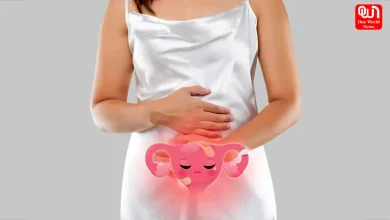
Beyond Menopause: Why Ovarian Ageing Is Crucial to Women’s Heart and Brain Health
Beyond Menopause, ovarian ageing affects heart health, brain function, hormones, and long-term disease risk in women worldwide.

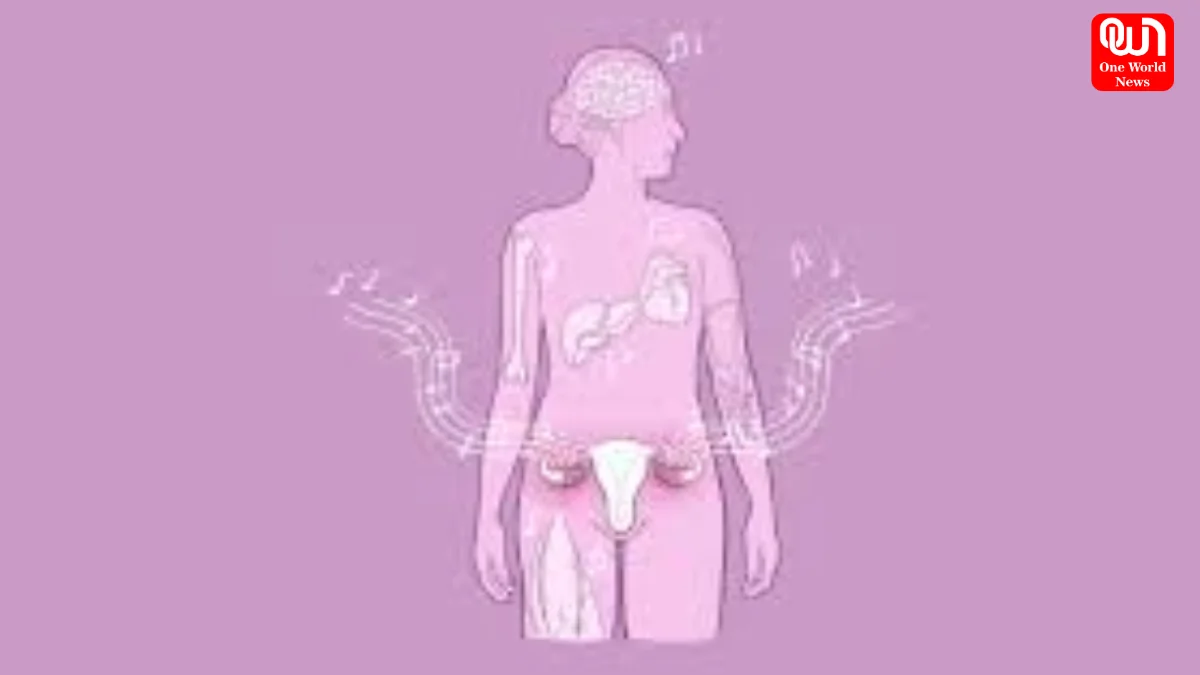
Beyond Menopause – How Ovarian Ageing Impacts Hormones, Cardiovascular Risk, Cognitive Decline, and Long-Term Women’s Health
For decades, menopause has been seen as the defining milestone in a woman’s ageing journey. But scientists now suggest that Beyond Menopause, ovarian ageing may be the deeper biological process shaping long-term health outcomes. While menopause marks the end of menstrual cycles, ovarian ageing begins years earlier — gradually altering hormone levels that protect the heart, brain, and metabolism.
Ovarian ageing refers to the natural decline in both the number and quality of ovarian follicles, along with reduced production of key hormones such as estrogen and progesterone. This process typically starts in a woman’s late 30s or early 40s, well before menopause officially occurs. The hormonal changes linked to ovarian ageing can significantly influence cardiovascular and neurological health.
The Hormone–Heart Connection
Estrogen plays a protective role in maintaining healthy blood vessels. It helps regulate cholesterol levels, supports flexible arteries, and reduces inflammation. As ovarian function declines, estrogen levels fluctuate and eventually decrease. This hormonal shift increases the risk of high blood pressure, atherosclerosis, and heart disease.
Research consistently shows that women’s cardiovascular risk rises sharply after menopause. However, experts now believe the risk begins building during the ovarian ageing phase, not just after periods stop. Changes in lipid profiles, increased central fat distribution, and insulin resistance are often seen during this transition. Understanding health Beyond Menopause requires recognizing that heart vulnerability may start years earlier.
Women who experience early ovarian ageing — including premature ovarian insufficiency — may face an even greater lifetime risk of cardiovascular disease. This highlights the importance of proactive heart health strategies well before menopause.
Ovarian Ageing and Brain Health
The brain is another organ profoundly influenced by ovarian hormones. Estrogen supports memory, mood regulation, and neural connectivity. It enhances blood flow to the brain and helps protect neurons from oxidative stress. As estrogen levels decline, some women experience brain fog, memory lapses, or mood changes.
Scientific studies have linked ovarian ageing to increased risk of cognitive decline and, in some cases, neurodegenerative diseases later in life. While menopause does not directly cause dementia, the hormonal transition can influence brain ageing patterns. Experts studying women’s health Beyond Menopause emphasize that brain changes often begin during perimenopause, when hormone levels fluctuate unpredictably.
Sleep disturbances, anxiety, and depression during this stage may further impact cognitive resilience. Maintaining mental stimulation, managing stress, and supporting hormonal balance can help protect long-term brain health.
Metabolism, Inflammation, and Long-Term Disease Risk
Ovarian ageing does not affect only the heart and brain. It also influences metabolism and immune responses. Reduced estrogen levels can lead to increased abdominal fat, decreased muscle mass, and altered glucose metabolism. These changes elevate the risk of type 2 diabetes and metabolic syndrome.
Chronic low-grade inflammation tends to rise after menopause, partly due to hormonal shifts. Inflammation plays a central role in many age-related conditions, including cardiovascular disease and cognitive decline. Looking Beyond Menopause means recognizing how ovarian ageing shapes systemic health across multiple organs.
Bone density loss is another well-known consequence. Estrogen helps maintain bone strength, and declining levels accelerate bone breakdown, increasing osteoporosis risk. These interconnected systems demonstrate that ovarian ageing is not an isolated event — it is a whole-body transition.
Why Early Awareness Matters
Understanding health Beyond Menopause empowers women to take preventive steps earlier. Lifestyle interventions during perimenopause and even before can significantly reduce long-term disease risk. Regular cardiovascular screening, cholesterol monitoring, blood pressure checks, and glucose testing become especially important during midlife.
Physical activity plays a critical role in counteracting the effects of ovarian ageing. Strength training helps preserve muscle mass and bone density, while aerobic exercise supports heart and brain function. A nutrient-rich diet, adequate sleep, and stress management further enhance resilience.
Hormone therapy may also be considered for some women under medical guidance. Research indicates that when initiated at the appropriate time, hormone therapy can provide cardiovascular and cognitive benefits for certain individuals. However, decisions must be personalized based on overall health history.
read more: Gurugram to Connaught Place in 20 Minutes? Inside Delhi-NCR’s Proposed Air Taxi Project
Beyond Menopause: A Shift in Perspective
For generations, menopause has been viewed as an endpoint. But modern research reframes it as part of a broader biological process. Ovarian ageing begins quietly and progresses gradually, influencing heart health, brain function, metabolism, and bone strength. Beyond Menopause, the real key to women’s health lies in understanding this transition early and acting proactively. Awareness allows women and healthcare providers to shift focus from reactive treatment to preventive care.
Ovarian ageing is not merely about reproduction — it is about lifelong vitality. By recognizing its role in shaping cardiovascular and neurological health, women can better protect their future well-being. The conversation is evolving. And as science continues to uncover the deeper links between hormones, heart, and brain, one message becomes clear: health Beyond Menopause starts long before menopause itself.
We’re now on WhatsApp. Click to join.
Like this post?
Register at One World News to never miss out on videos, celeb interviews, and best reads.