Amul Controversy: Does Boiling Packaged Milk for 5 Minutes Make It Safe or Should You Switch to Loose Milk?
Amul Controversy explained: Does boiling packaged milk for 5 minutes ensure safety, or is switching to loose milk a healthier choice?

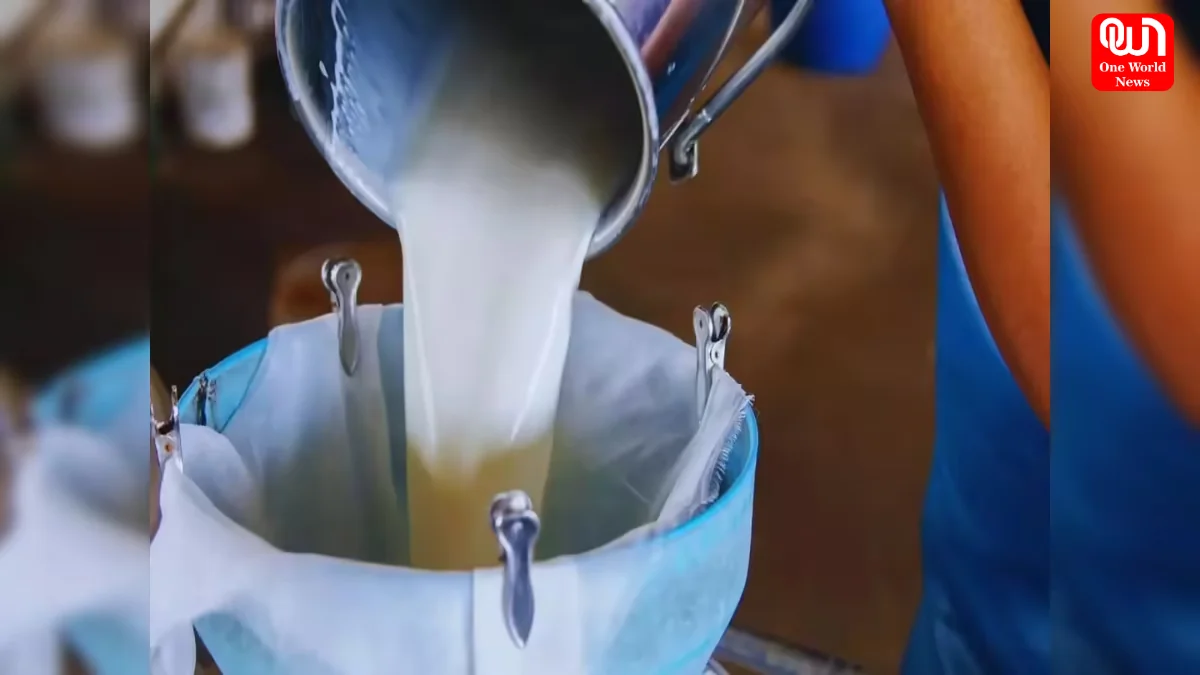
Amul Controversy Explained: Is Boiling Packaged Milk for 5 Minutes Enough for Safety or Is Loose Milk a Better Option?
The Amul Controversy has sparked widespread discussion among consumers about milk safety, quality, and processing standards in India. Many households are now questioning whether boiling packaged milk for five minutes truly makes it safe or whether loose milk from local vendors is a better alternative. With rising awareness around food safety, it is important to understand the science behind milk processing before making a decision.
What Is the Amul Controversy About?
The Amul Controversy emerged after concerns were raised on social media about milk quality, adulteration, and the need for extended boiling. Some claims suggested that packaged milk may not be safe unless boiled for at least five minutes. This triggered confusion, as most packaged milk in India is already pasteurized before reaching consumers. Pasteurization is a scientifically proven method that involves heating milk to a specific temperature to kill harmful bacteria while preserving nutrients.
Is Packaged Milk Already Safe?
Packaged milk sold by major dairy brands undergoes pasteurization or ultra-high temperature (UHT) processing. Pasteurized milk is typically heated to about 72°C for 15 seconds and then rapidly cooled. This process eliminates harmful pathogens such as E. coli, Salmonella, and Listeria. UHT milk is heated at even higher temperatures and can remain shelf-stable without refrigeration until opened.
According to food safety standards, pasteurized milk does not require prolonged boiling. In fact, boiling it for five minutes may reduce certain heat-sensitive nutrients like vitamin B12 and vitamin C. However, many Indian households boil milk as an extra precaution and for taste preference.
Read more: Has India Committed To Buying Products Worth $500 Billion From US? Piyush Goyal Explains
Does Boiling Packaged Milk for 5 Minutes Make It Safer?
Boiling milk can kill bacteria that may have entered after packaging, especially if storage conditions were compromised. However, if the cold chain is maintained properly from factory to retailer to home, pasteurized milk is already safe for consumption after a single quick boil.
Boiling for five full minutes is generally unnecessary and may alter the taste and nutritional value. A short boil until the milk rises once is usually considered sufficient in most households. The Amul Controversy has amplified fears, but food safety experts maintain that extended boiling is not mandatory for properly pasteurized milk.
What About Loose Milk?
Loose milk, often sourced from local dairy farms or vendors, is typically raw and unpasteurized. While some consumers believe it is fresher and more natural, raw milk can contain harmful bacteria if not handled hygienically. Unlike packaged milk, loose milk depends heavily on farm hygiene, storage practices, and transportation conditions.
Raw milk must always be boiled thoroughly before consumption. Even then, risks of contamination during milking or storage cannot be completely ruled out. Additionally, loose milk may sometimes face issues of adulteration with water or other substances.
Nutritional Differences Between Packaged and Loose Milk
Nutritionally, there is minimal difference between pasteurized packaged milk and properly boiled loose milk. Both contain protein, calcium, and essential vitamins. However, pasteurization ensures consistent safety standards, while loose milk quality may vary from one vendor to another.
The perception that loose milk is healthier often stems from its thicker texture or cream layer. In reality, the fat content depends on whether the milk is toned, double-toned, or full cream, rather than whether it is packaged or loose.
Should You Switch to Loose Milk?
The decision depends on trust, convenience, and hygiene. Packaged milk offers standardized quality checks, regulated processing, and reduced contamination risks. Loose milk may appeal to those who prefer sourcing directly from farms, but it requires careful boiling and reliable suppliers.
The Amul Controversy has encouraged consumers to question dairy safety, which is a positive step toward informed choices. However, switching to loose milk solely due to social media concerns may not necessarily improve safety.
Expert Recommendations
Food safety authorities recommend:
• Always refrigerating milk at or below 4°C
• Boiling pasteurized milk briefly before use
• Boiling raw or loose milk thoroughly
• Checking packaging for damage or expiry dates
Read more: One World Political Roundup: Power Plays, Protests and Pivotal Mandates Shaping Today’s World
Proper storage is often more important than prolonged boiling. Even the safest milk can spoil if left unrefrigerated.
Final Verdict on the Amul Controversy
The Amul Controversy has highlighted public anxiety about food safety, but scientific evidence suggests that packaged pasteurized milk is already safe when handled correctly. Boiling for five minutes is generally unnecessary and may reduce nutrients. Loose milk, while perceived as natural, carries higher contamination risks if not sourced responsibly.
Instead of switching based on fear, consumers should focus on proper storage, reliable brands, and verified sources. In most cases, packaged milk remains a safe and convenient option for daily consumption.
We’re now on WhatsApp. Click to join.
Like this post?
Register at One World News to never miss out on videos, celeb interviews, and best reads.