
5 Key PAN Rule Changes in Draft Income Tax Rules That Could Impact Daily Transactions
Explore latest PAN Rule Changes in draft income tax rules and how they may affect banking, investments, and daily transactions.

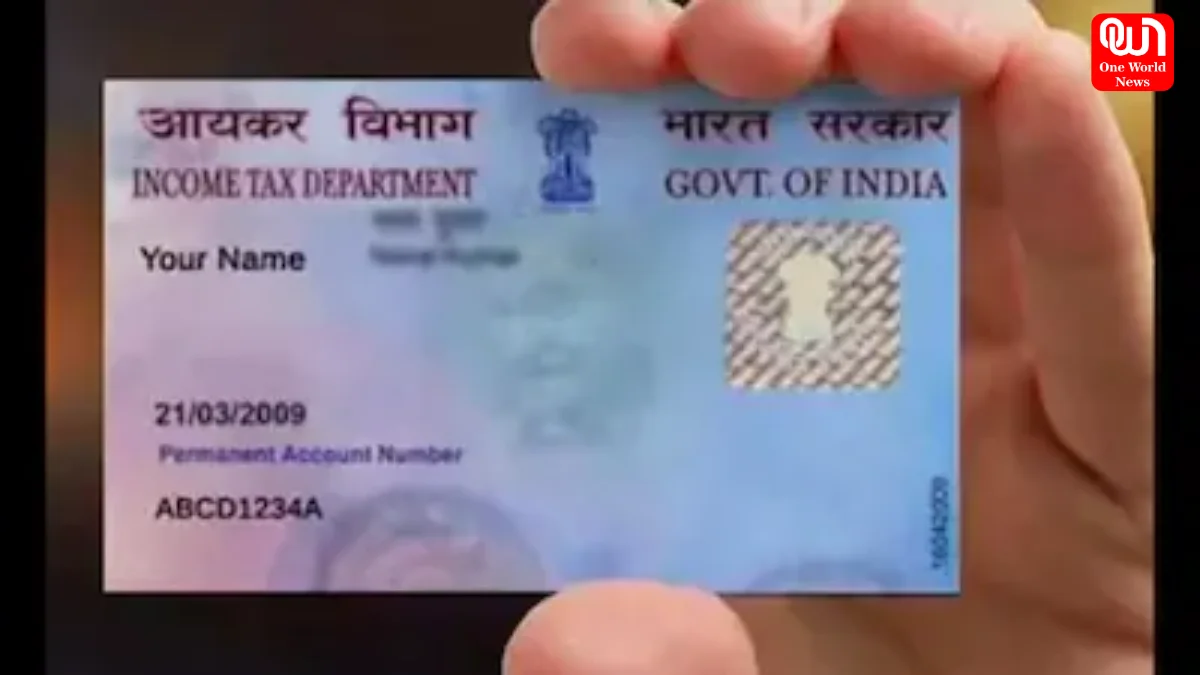
5 Key PAN Rule Changes in Draft Income Tax Rules That Could Impact Daily Transactions
The Indian government has proposed several PAN Rule Changes under the draft Income Tax Rules aimed at improving transparency, curbing tax evasion, and streamlining compliance. These changes, if implemented, could directly impact how individuals conduct everyday financial transactions such as banking, investing, property purchases, and digital payments. Understanding these updates is crucial for salaried employees, business owners, freelancers, and investors alike.
Below are five key PAN Rule Changes that may influence daily transactions and financial planning.
1. Mandatory PAN–Aadhaar Linking for Validity
One of the most significant PAN Rule Changes emphasizes stricter enforcement of PAN–Aadhaar linking. While linking has already been made mandatory, the draft rules propose tighter monitoring mechanisms to ensure compliance. If PAN is not linked with Aadhaar, it may become inoperative, affecting the ability to file income tax returns, open bank accounts, or conduct high-value transactions.
This change aims to eliminate duplicate PAN cards and enhance taxpayer identification accuracy. Individuals who have not completed the linking process should do so promptly to avoid disruptions in financial activities.
Read more: One World Political Roundup: Power Plays, Protests and Pivotal Mandates Shaping Today’s World
2. Enhanced Reporting for High-Value Transactions
The draft rules propose expanding the scope of transactions where quoting PAN will be mandatory. This includes high-value cash deposits, property purchases, investments in mutual funds, and certain digital financial transfers.
These PAN Rule Changes are designed to strengthen the audit trail of large financial movements and reduce unreported income. Financial institutions may be required to report such transactions more rigorously to tax authorities. As a result, individuals engaging in frequent high-value transactions should ensure that their PAN details are updated and correctly provided to avoid penalties or transaction delays.
3. Stricter Penalties for Incorrect or Multiple PAN Usage
Another important update under the PAN Rule Changes relates to the misuse or duplication of PAN. The draft rules indicate stricter verification protocols and potential penalties for individuals found holding multiple PAN cards or providing incorrect PAN details.
Having multiple PAN cards is already illegal under the Income Tax Act, but the new rules may introduce automated checks across financial databases. This could result in faster detection and heavier fines. Taxpayers should review their records and surrender any duplicate PAN immediately to stay compliant.
4. PAN Requirement for Digital and Online Transactions
With the rise of digital payments and online platforms, the government is proposing broader PAN applicability in the digital economy. Certain online transactions above specified thresholds may require mandatory PAN disclosure.
These PAN Rule Changes reflect the government’s effort to integrate digital financial ecosystems with tax compliance frameworks. Individuals involved in online trading, cryptocurrency transactions (subject to applicable regulations), or high-value e-commerce sales may see additional reporting requirements. This could increase transparency but also add documentation responsibilities for regular users.
5. Revised Rules for PAN in Business and Professional Activities
Businesses and professionals may also be impacted by updated PAN verification norms. The draft rules suggest enhanced scrutiny in cases involving GST registration, vendor payments, and large-scale service contracts.
Under these PAN Rule Changes, businesses might need to ensure accurate PAN collection from vendors and clients to claim deductions or avoid higher TDS (Tax Deducted at Source) rates. For freelancers and consultants, quoting PAN correctly becomes even more critical to prevent excessive tax deductions and compliance notices.
Read more: Has India Committed To Buying Products Worth $500 Billion From US? Piyush Goyal Explains
How These PAN Rule Changes Could Affect Daily Life
Although these proposals are aimed at strengthening tax administration, they may also increase compliance requirements for ordinary citizens. Everyday activities such as opening a fixed deposit, investing in securities, buying property, or even conducting certain digital transactions could involve stricter PAN verification.
On the positive side, improved monitoring may reduce fraudulent financial activities and enhance the integrity of the financial system. However, taxpayers must remain proactive in updating records and understanding new compliance obligations.
What You Should Do Now
While the draft Income Tax Rules are still under consideration, it is advisable to:
-
Verify PAN–Aadhaar linkage status.
-
Ensure all financial institutions have your correct PAN details.
-
Avoid holding multiple PAN cards.
-
Keep transaction records organized for future reference.
-
Stay updated with official notifications from the Income Tax Department.
Conclusion
The proposed PAN Rule Changes in the draft Income Tax Rules signal the government’s continued push toward transparency and tighter financial regulation. From mandatory PAN–Aadhaar linking to expanded reporting of high-value transactions, these updates could significantly impact daily financial activities.
Being informed and compliant is the best way to avoid penalties and ensure smooth financial transactions in the evolving regulatory environment. As the rules move closer to final implementation, taxpayers should monitor developments closely and seek professional advice if needed.
We’re now on WhatsApp. Click to join.
Like this post?
Register at One World News to never miss out on videos, celeb interviews, and best reads.