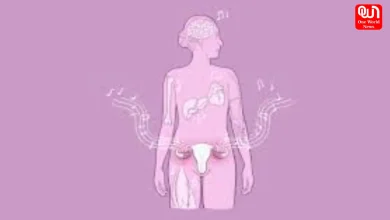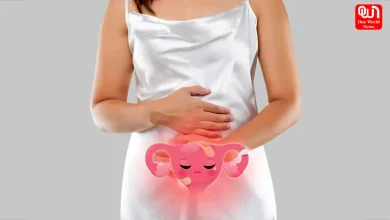
Gut Health and Women Hormones Explained: The Hidden Impact on PCOS and Endometriosis
Discover how gut health and women hormones are connected and why improving gut balance can help manage PCOS and endometriosis naturally.

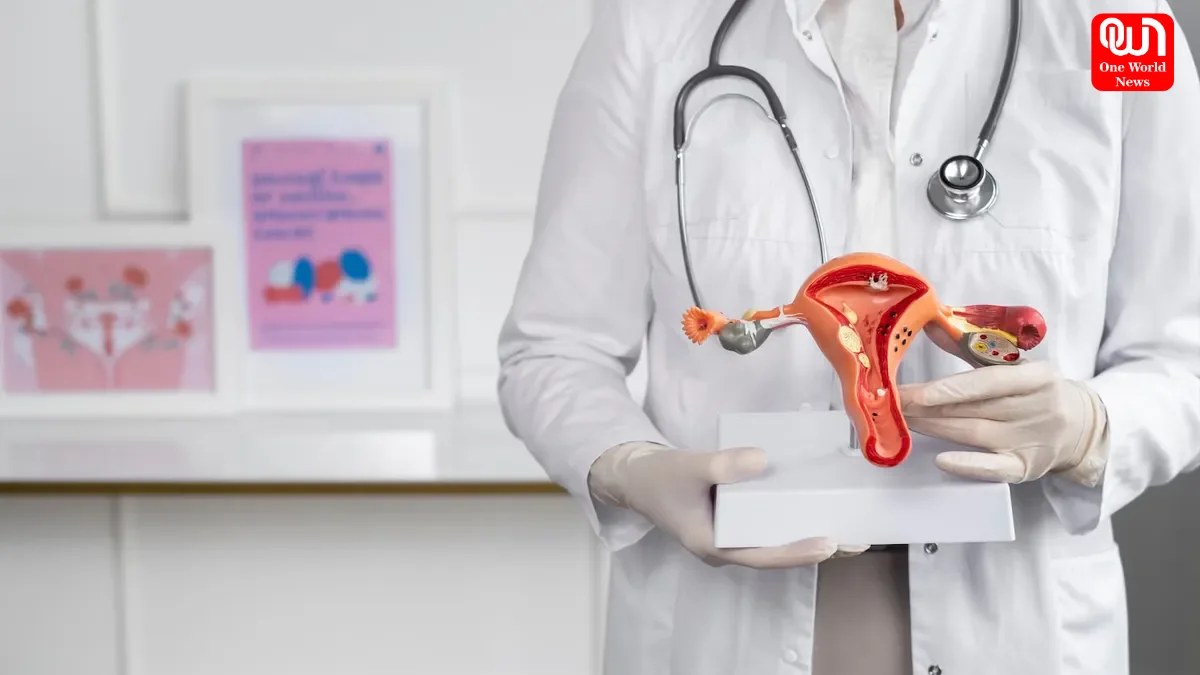
The Surprising Link Between Gut Health and Women’s Hormones: Why It Matters for PCOS and Endometriosis
Gut health and women hormones are deeply connected, yet this relationship is often overlooked when discussing hormonal disorders. Conditions like PCOS and Endometriosis affect millions of women worldwide, impacting fertility, metabolism, mood, and overall quality of life. Recent research shows that the gut microbiome—the trillions of bacteria living in our digestive system—plays a critical role in hormone balance, inflammation, and immune response. Understanding this connection can open new doors to managing symptoms more effectively.
How Gut Health Influences Women Hormones
The gut microbiome helps regulate estrogen through a group of bacteria known as the estrobolome. These bacteria control how estrogen is metabolized and eliminated from the body. When gut health is poor, estrogen may be reabsorbed instead of excreted, leading to hormonal imbalances. This disruption can worsen symptoms related to PCOS and Endometriosis, such as irregular periods, pain, and insulin resistance. A healthy gut supports balanced hormone levels, better digestion, and reduced systemic inflammation.
Read more: Bollywood News Weekly: SRK Sequel Buzz and Akshay Kumar Release Update
Gut Health and PCOS: What’s the Connection?
PCOS is commonly linked with insulin resistance, chronic inflammation, and elevated androgen levels. Poor gut health can intensify all three. An imbalanced gut microbiome may increase gut permeability, often referred to as “leaky gut,” allowing inflammatory compounds to enter the bloodstream. This inflammation can interfere with insulin signaling and hormone regulation. Improving gut health through fiber-rich foods, probiotics, and anti-inflammatory nutrition has been shown to support better metabolic and hormonal outcomes in women with PCOS.
Read more: Who Is Hell Voron? The Untold Story of a Russian Model
Why Gut Health Matters in Endometriosis
Endometriosis is an inflammatory condition where tissue similar to the uterine lining grows outside the uterus. Estrogen dominance and immune dysfunction play key roles in its progression. Since gut health directly affects estrogen metabolism and immune balance, an unhealthy gut may worsen Endometriosis symptoms. Dysbiosis, or an imbalance of gut bacteria, can contribute to higher estrogen levels and increased inflammation, potentially leading to more pain and flare-ups. Supporting gut health may help reduce symptom severity and improve overall well-being.
The Role of Inflammation and the Immune System
Both PCOS and Endometriosis are associated with chronic low-grade inflammation. The gut is central to immune system regulation, with nearly 70% of immune cells residing there. When gut health is compromised, inflammatory responses can become overactive. This can disrupt women hormones and exacerbate reproductive health issues. A balanced gut microbiome helps regulate immune responses, lower inflammation, and create a more stable hormonal environment.
Diet, Lifestyle, and Gut Health for Hormonal Balance
Diet is one of the most powerful tools for improving gut health and women hormones. Consuming diverse plant-based foods, whole grains, fermented foods, and healthy fats supports beneficial gut bacteria. Reducing processed foods, excess sugar, and refined carbohydrates can help prevent dysbiosis. Lifestyle factors such as stress management, quality sleep, and regular physical activity also influence gut health. Chronic stress, in particular, negatively impacts the gut-brain-hormone axis, making symptoms of PCOS and Endometriosis harder to manage.
Can Improving Gut Health Ease Symptoms?
While gut health is not a cure for PCOS or Endometriosis, it can be a foundational part of symptom management. Many women report improvements in digestion, energy levels, cycle regularity, and inflammation when they focus on gut-friendly habits. By supporting the gut, you indirectly support hormone balance, metabolic health, and immune function. This holistic approach aligns with how Google evaluates helpful content—informative, experience-based, and focused on real user value.
Final Thoughts
The connection between gut health and women hormones is powerful and scientifically grounded. For women dealing with PCOS and Endometriosis, addressing gut health can make a meaningful difference in symptom control and long-term health. Instead of focusing on hormones alone, looking at the gut-hormone axis provides a more complete and sustainable path to wellness. Taking small, consistent steps to support gut health may lead to surprising and positive changes in hormonal balance.
We’re now on WhatsApp. Click to join.
Like this post?
Register at One World News to never miss out on videos, celeb interviews, and best reads.