India-US Trade Deal: Agriculture and Farmers Protected Amid Negotiations
India-US Trade Deal 2026 assurances say agriculture and farmers are protected, with no adverse impact on farmers’ produce under the new agreement.

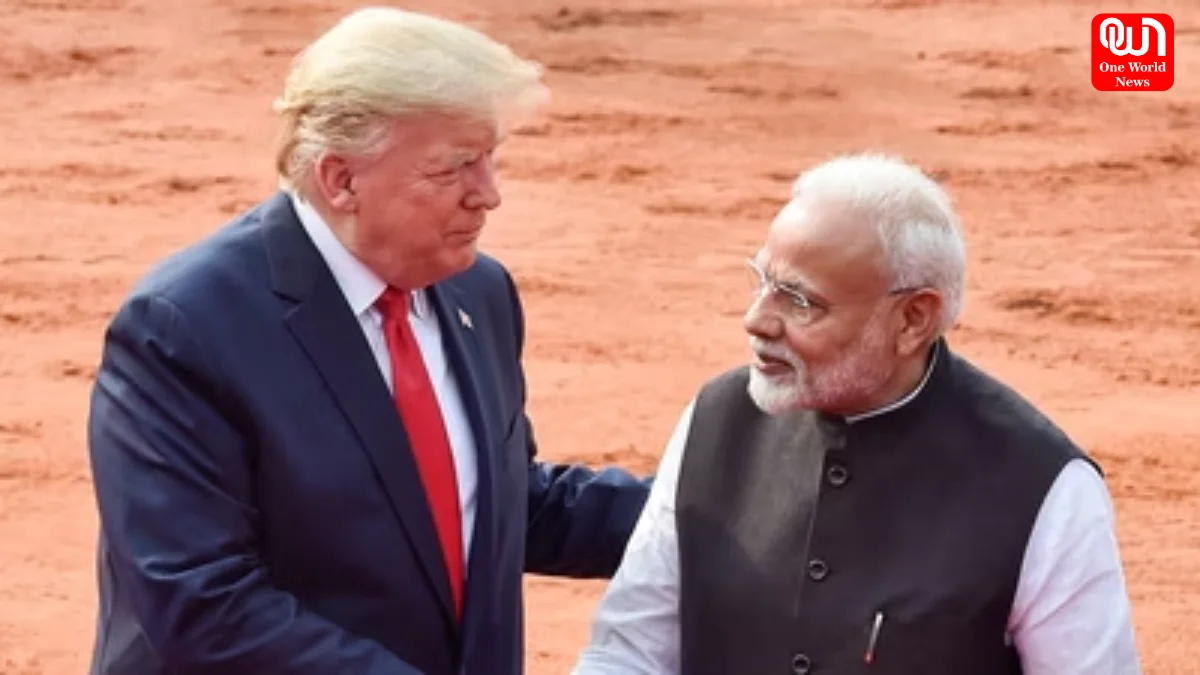
India-US Trade Deal 2026: Agriculture Remains Protected and Farmers’ Produce Won’t Be Impacted, Say Sources
The unfolding India-US Trade Deal 2026 has captured national and international attention as officials from both countries outline the broad contours of a pact that aims to deepen economic ties between the world’s two largest democracies while protecting domestic interests, especially in agriculture and farming communities. As negotiations advance, the Indian government has repeatedly insisted that farmers and their produce will not face adverse impacts under the agreement.
What the Deal Entails
The prospective trade agreement, which leaders from India and the United States are expected to formalize in early 2026, is designed to reduce tariffs and expand market access for goods traded between the two nations. Reports suggest the United States will lower the “reciprocal tariff” on Indian products from around 50 % to 18 %, while India is considering phased tariff cuts on selected U.S. goods in return.
While the full legal text of the deal is still being finalized, diplomats and negotiators from both sides have emphasized the intention to strengthen economic cooperation without jeopardizing sensitive sectors such as agriculture and dairy.
Safeguarding Agriculture and Farmers
Agriculture remains a politically significant and socially sensitive sector in India, supporting millions of livelihoods. Recognizing this, senior Indian officials have insisted that key protections have been secured for the agriculture sector.
Union Agriculture and Farmers’ Welfare Minister Shivraj Singh Chouhan publicly reiterated that the trade pact will not harm Indian farmers or their produce. He emphasized that staple crops, fruits, cereals, millets, and dairy products are “fully protected” under the terms currently discussed, reassuring producers that domestic agriculture will remain shielded from flood imports that could undercut local markets.
Read more: Political Roundup: Key Developments Across India and Asia
Similarly, Commerce and Industry Minister Piyush Goyal told Parliament that Indian negotiators have ensured sensitive sectors, particularly agriculture and dairy, are taken into account and ring-fenced against potential negative impacts. Goyal highlighted that the deal’s framework reflects a balance between opening up markets for Indian exports and safeguarding farmers’ interests at home.
Government Response Amid Political Debate
Despite government reassurances, the deal has prompted debate in India’s political landscape. Opposition parties and farmers’ groups have questioned the absence of a formal text, expressing fears that reduced tariffs and expanded access for U.S. agricultural products could eventually undercut Indian producers if safeguards prove insufficient.
Critics also point to statements from U.S. agriculture officials suggesting increased American farm exports to India, raising concerns among growers about subsidized imports competing with domestic produce. Some farmer unions have warned of protests if they perceive the deal as opening the floodgates for cheaper foreign goods.
However, India’s leadership maintains that these fears are based on speculation rather than confirmed commitments. Officials argue that any concessions made have been carefully calibrated so as not to adversely affect farmers’ livelihoods or local markets.
Broader Economic Implications
Outside agriculture, the India-US Trade Deal 2026 is expected to boost bilateral commerce significantly. Reducing tariffs and non-tariff barriers on manufactured and industrial products could expand trade volumes, benefiting sectors ranging from textiles and chemicals to machinery and electronics.
The deal also carries geopolitical significance, reinforcing strategic ties and signaling deeper economic integration. As part of the negotiated framework, India may increase purchases of U.S. goods, including aircraft, energy, and defense equipment, while diversifying supply chains and strengthening cooperation in key industries.
Domestic markets have already responded to the potential benefits of enhanced trade. Indian equity indices showed positive movement following initial announcements of tariff reductions, reflecting investor optimism about export prospects.
Farmers at the Center of Policy Concerns
For India’s farmers, the assurances that agriculture and farming interests remain protected are critical. Agriculture constitutes a significant part of the rural economy, with a large portion of the population depending on farming for income and sustenance. Any perceived risk to this sector can have wide social and political repercussions.
Historically, Indian policymakers have been cautious about exposing agriculture to unfettered foreign competition. This cautious approach is grounded in the sector’s importance to food security and rural livelihoods, as well as past experiences with market volatility.
Read more: Bharat Taxi Set To Launch Today to Challenge Ola and Uber With New Model
Looking Ahead
As India-US Trade Deal 2026 negotiations continue, officials have stated that a joint statement and the full legal text of the agreement will be released once final technical and legal procedures are completed. This transparency is expected to further clarify how protective measures for farmers, agriculture, and other sensitive industries will be implemented.
The deal remains a focal point of policy discussions, balancing expanded market opportunities with the need to preserve the interests of India’s agricultural communities. As details are finalized, stakeholders from government, industry, and civil society will watch closely to ensure that farmers and their produce continue to thrive in an increasingly interconnected global economy.
We’re now on WhatsApp. Click to join.
Like this post?
Register at One World News to never miss out on videos, celeb interviews, and best reads.