Navratri 2026: A Festival of Devotion, Culture, and Renewal
Navratri 2026 celebrates the nine nights dedicated to Goddess Durga with dates, rituals, dance, fasting, and cultural traditions across India and beyond.

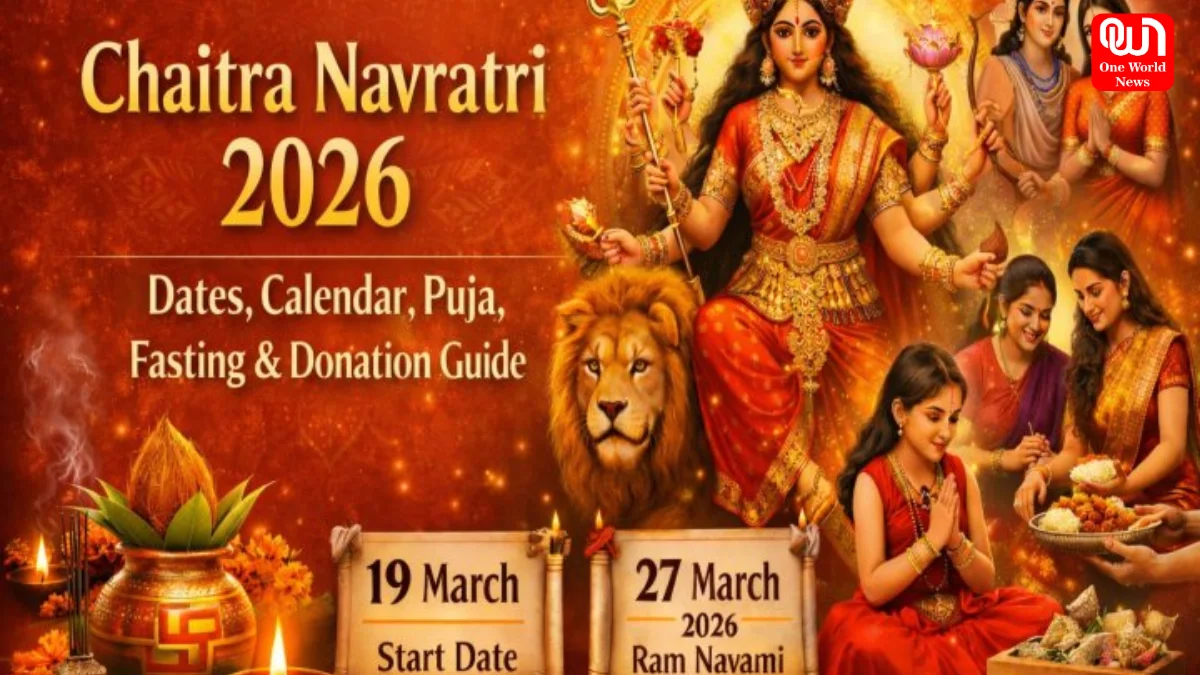
Navratri 2026: Dates, Traditions, and the Spiritual Significance of the Nine Days of Durga Puja
Navratri is one of the most vibrant and sacred festivals in the Hindu calendar, celebrated with great devotion across India and in communities around the world. The word Navratri literally means “nine nights” — nine days and nights dedicated to worshipping Goddess Durga and her nine divine forms, symbolizing the victory of good over evil.
What Is Navratri?
Navratri is a multi-faceted festival that blends spiritual devotion, cultural celebration, fasting, music, and dance. It honors Goddess Durga as the primal source of power and divine strength. Each of the nine days is associated with a different form of the Goddess, and devotees perform special prayers, pujas, and rituals to seek her blessings for prosperity, courage, and peace.
Read more: US Trade Deal: India Gains Edge With 18% Tariff Over Pakistan, China, Bangladesh
Across India, Navratri is observed with variations in traditions, but the essence remains the same — reverence for the divine feminine energy and the triumph of righteousness over chaos.
Navratri 2026 Dates and Cycles
In 2026, Navratri will be celebrated multiple times, reflecting its spiritual significance throughout the year:
-
Gupt Navratri (Magha Navratri) — January 19 to January 27, 2026
-
Chaitra Navratri — March 19 to March 27, 2026
-
Sharad (Sharadiya) Navratri — October 11 to October 20, 2026
The Sharad Navratri in October is the most widely celebrated, culminating in Vijayadashami or Dussehra — a festival that symbolizes the victory of good over evil.
Each Navratri period is a sacred opportunity for spiritual reflection, devotion, and participation in age-old customs.
The Spiritual Significance of Navratri
Navratri 2026 offers devotees a chance to honor the nine different forms of Goddess Durga, known as the Navadurga. Each form embodies unique virtues and blessings — from strength and courage to wisdom and compassion. Visiting temples, reciting hymns, and performing aarti are central practices during these nine holy nights.
Gupt Navratri, for instance, is observed with special rituals and spiritual disciplines. The festival is often linked with deeper personal sadhana (spiritual practice), meditation, and devotional chanting of mantras to invoke the divine.
Fasting and Rituals
Fasting is a common practice during Navratri, believed to purify the body and mind. Many devotees abstain from grains or meat, participating in vegetarian diets that focus on fruits, dairy, and * vrat * (fasting) foods. These fasts are seen as expressions of devotion and self-discipline, bringing spiritual rewards and inner renewal.
The Ghatasthapana ritual — the ceremonial placing of a pot symbolizing the Goddess — marks the beginning of Navratri and invites auspicious energy into the home. Special prayers and devotional songs accompany this ritual, setting the tone for the holy days ahead.
Cultural Celebrations and Garba Dance
Navratri is not only a religious festival but also a cultural phenomenon, especially in western India. In Gujarat and many other regions, Garba and Dandiya Raas — energetic folk dances — become the heart of public celebration. Communities gather in large circles, dancing to rhythmic beats of drums and traditional music, dressed in vibrant attire.
These dance events foster unity, joy, and togetherness, blending devotion with music, movement, and cultural heritage.
Regional Variations and Traditions
While the core practices of Navratri remain centered on worshipping the Goddess, local customs bring a rich diversity to the festival. In some regions, fairs (melas) are held, combining religious rituals with cultural festivities. In others, educational or art events coincide with the celebrations.
The festival’s adaptability and regional expressions reflect the cultural richness of Indian traditions, making Navratri both a spiritual and social occasion.
Navratri Beyond India
Navratri’s appeal goes beyond India’s borders, celebrated by Hindu communities worldwide. In the United States, United Kingdom, Dubai, and other countries with Indian diasporas, Navratri events often include cultural programs, dance nights, and devotional gatherings that bring people together in shared heritage.
Read more: Sitharaman Cites Elon Musk Post, Slams Opposition on India’s GDP Role
These global celebrations highlight Navratri’s ability to connect people through spirituality, culture, and joyous community participation.
Why Navratri Still Matters Today
Navratri remains one of the most significant festivals in the Hindu calendar because it speaks to universal themes — the victory of good over evil, inner strength, devotion to the divine, and the celebration of life’s rhythms. Whether through prayer, dance, fasting, or family gatherings, Navratri 2026 will be a time for renewal, reflection, and celebration for millions.
As the days of Navratri approach, homes and temples fill with light, music, and devotion — a testament to the timeless spirit of this beloved festival.
We’re now on WhatsApp. Click to join.
Like this post?
Register at One World News to never miss out on videos, celeb interviews, and best reads.