Ban Pakistan From International Cricket? ICC Faces Challenge After Boycott Drama
Debate over Ban Pakistan From International Cricket intensifies as boycott of India match in T20 World Cup sparks calls for ICC action and wider consequences.

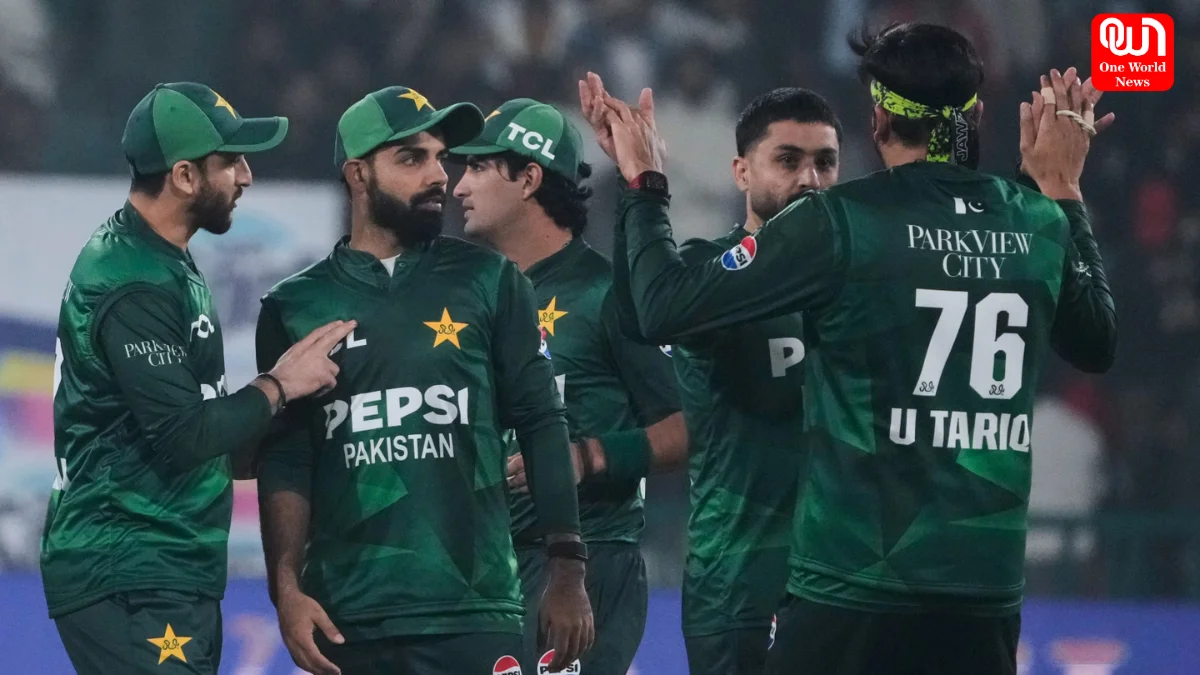
ICC Challenged To Ban Pakistan From International Cricket Amid Boycott Drama and T20 World Cup Controversy
The world of cricket is currently embroiled in an unprecedented drama as calls to Ban Pakistan From International Cricket gain traction following Pakistan’s announced boycott of its high-profile match against India in the 2026 ICC Men’s T20 World Cup. What began as a political statement has ballooned into a heated dispute involving the International Cricket Council (ICC), national cricket boards, former players, and fans across the globe.
At the heart of this controversy is the decision by the Pakistani government — and by extension, the Pakistan Cricket Board (PCB) — to withdraw from a scheduled February 15 Group A clash with India in Colombo. The team was otherwise cleared to participate in the tournament, but officials barred it from taking the field against India amid wider regional tensions that have spilled into the sporting arena.
What Sparked the Boycott and the Ban Debate?
The boycott announcement did not emerge in isolation. Earlier in the build-up to the T20 World Cup 2026, Bangladesh refused to travel to India for its matches due to security concerns, resulting in its replacement by Scotland in the tournament draw. Pakistan publicly supported Bangladesh’s stance, and when its own government later directed the PCB not to play India, the cricketing world took notice.
The ICC, tasked with maintaining the integrity and competitiveness of its flagship global events, expressed concern that selective participation undermines the spirit of international cricket. Some commentators and cricket stakeholders argue the ICC should take a firmer stance — including the possibility of barring Pakistan from future events if it refuses to fulfill its commitments.
Calls to Ban Pakistan: Who’s Speaking Out?
The debate has grown loud enough that former Pakistan batter Basit Ali publicly challenged the ICC to go ahead and enforce a ban if Pakistan follows through on its boycott threat. Citing past instances where teams forfeited matches without facing severe sanctions, he argued that a complete ban might be neither practical nor justified — famously challenging critics with “Karke dekhlo” (“Try doing it!”).
Opposition voices extend beyond Pakistan too. Former Indian cricketers have slammed the boycott as unnecessary drama that damages one of the sport’s most storied rivalries and undermines the ethos of cricket as a unifying force.
Read more: Sitharaman Cites Elon Musk Post, Slams Opposition on India’s GDP Role
ICC’s Position and Potential Consequences
While the ICC has not explicitly threatened an outright ban, officials have warned that refusing to play scheduled matches could carry “significant and long-term implications” for Pakistan cricket. Potential sanctions might include stripped ranking points, fines, or adjustments to revenue sharing — all intended to preserve contractual obligations and tournament credibility.
For cricket fans and stakeholders alike, the prospect of Pakistan being isolated from the international schedule raises broader questions about how political tensions intersect with global sports. The India-Pakistan rivalry is one of the most commercially lucrative and widely watched match-ups in cricket; its absence would impact broadcasters, sponsors, and millions of viewers worldwide.
Fan and Public Reaction
Reactions have been sharply divided. Some Pakistani fans view the boycott as a principled stand against perceived bias, while others lament the missed opportunity for diplomacy through sport. Within Pakistan itself, commentators are split — some regard the decision as symbolic resistance, while others fear it will further isolate their team.
In India and other cricket-loving nations, voices within the cricket community have echoed support for the ICC’s position, insisting that sport should remain above political conflicts and that commitments made to global tournaments should be honored.
The Broader Implications for Cricket
At stake is more than just a single match. The ongoing boycott drama highlights tensions between national governments and international sporting governance, raising critical questions about how cricket can adapt to geopolitical realities without compromising its global appeal. The ICC may soon find itself in a defining moment, balancing enforcement of regulations with the political sensitivities of its full member nations.
If Pakistan were to be banned — even temporarily — it would mark one of the most consequential decisions in cricket history, reshaping scheduling, rankings, and the narrative of bilateral rivalries long considered central to the sport’s identity.
Read more: US Trade Deal: India Gains Edge With 18% Tariff Over Pakistan, China, Bangladesh
What Happens Next?
The T20 World Cup 2026 is underway, and with each day the situation evolves. With Pakistan’s boycott decision still intact and no official match against India yet played, the possibility of broader sanctions remains on the table — and with it, renewed global debate on whether the ICC should Ban Pakistan From International Cricket altogether.
Whatever the outcome, one thing is clear: the drama over this boycott has already tested cricket’s governance structures, fan loyalties, and the enduring power of politics within sport — and the repercussions will likely be felt long after the tournament ends.
We’re now on WhatsApp. Click to join.
Like this post?
Register at One World News to never miss out on videos, celeb interviews, and best reads.