
Amrita Sher-Gil: A Rebel Who Painted India’s Soul
Amrita Sher-Gil was a pioneering modern artist who blended Western techniques with Indian realities, reshaping Indian art forever.

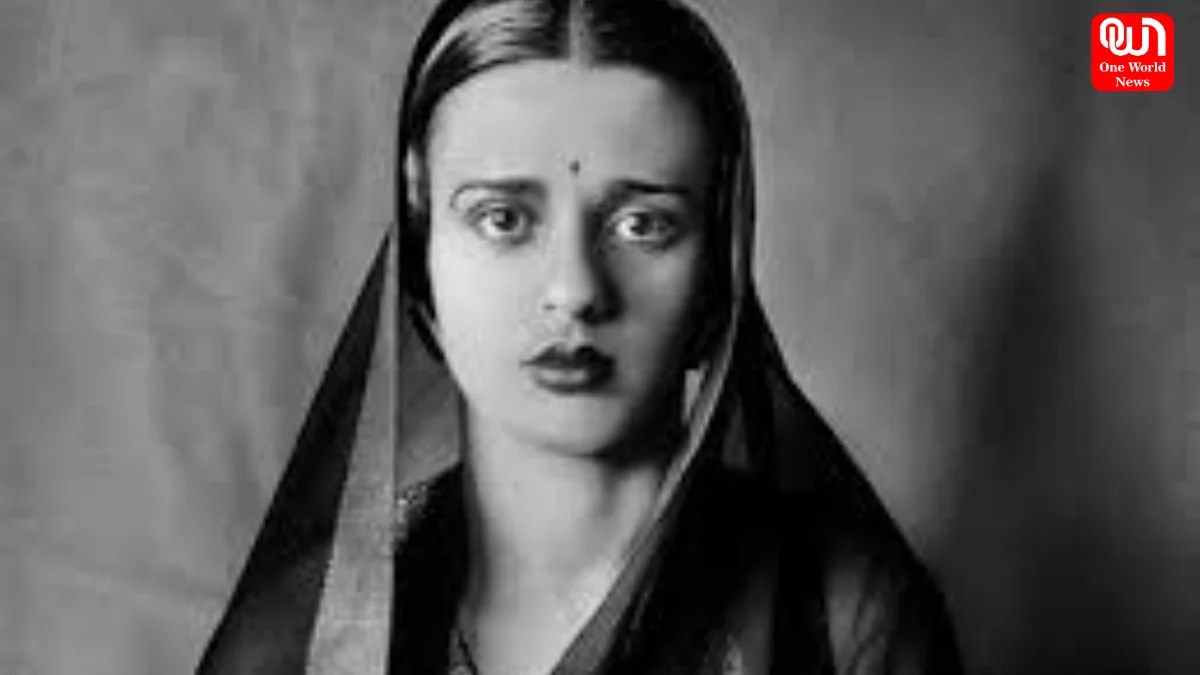
Amrita Sher-Gil: The Fearless Artist Who Redefined Modern Indian Art and Womanhood
History remembers many artists for their technique, but only a few for their courage. Amrita Sher-Gil belongs to that rare category — a woman who did not merely paint what was beautiful, but what was honest, emotional, and deeply human.
Born between two worlds, India and Hungary, Amrita Sher-Gil carried within her a unique cultural duality that would later define her art. Yet despite her European training and international recognition, she chose to root her work in Indian realities, giving voice to emotions that had long remained unseen on canvas.
Her life was brief, but her impact was enduring.
Read more: US Trade Deal: India Gains Edge With 18% Tariff Over Pakistan, China, Bangladesh
A Life Between Cultures
Amrita Sher-Gil was born in 1913 to a Hungarian mother and an Indian father. From an early age, she showed extraordinary artistic talent. Her upbringing exposed her to European art, music, and intellectual freedom, shaping her early creative instincts.
She later trained in Paris, where she mastered Western painting techniques and gained recognition in European art circles. Success and comfort were well within her reach. Yet something deeper called to her — a desire to understand her roots and express the realities of Indian life through art.
That decision would change the course of modern Indian art.
Returning to India: A Conscious Choice
When Amrita Sher-Gil returned to India, she encountered a society marked by silence, restraint, and unspoken suffering, especially among women. Unlike many artists of her time, she did not romanticize rural life or paint decorative scenes.
Instead, her art focused on the quiet strength of Indian women — their loneliness, dignity, resilience, and inner worlds. Her paintings captured emotions that words often failed to express.
For Amrita Sher-Gil, art was not decoration. It was truth.
Painting What Others Looked Away From
Works like Three Girls and Bride’s Toilet are powerful not because of grandeur, but because of restraint. The muted colors, lowered gazes, and stillness in her paintings speak volumes about identity, womanhood, and social confinement.
Amrita Sher-Gil painted women not as symbols, but as individuals. She portrayed their emotions without judgment — sadness without shame, strength without dramatization. In doing so, she challenged both colonial aesthetics and traditional expectations placed on women.
Her brush did not chase beauty.
It chased reality.
A Woman Decades Ahead of Her Time
In an era when women artists were rarely taken seriously, Amrita Sher-Gil lived boldly and fearlessly. She rejected social conventions, embraced artistic freedom, and lived life on her own terms.
Her work blended Western techniques with Indian themes long before cultural fusion became fashionable. Today, this approach is celebrated — but when she practiced it, it was radical.
She was not just painting India; she was redefining how India could be seen.
A Short Life, An Eternal Legacy
Amrita Sher-Gil passed away at just 28 years old, leaving behind an extraordinary body of work that would later be recognized as foundational to modern Indian art. Despite her short life, her influence continues to shape generations of artists, scholars, and cultural thinkers.
Her paintings remain deeply relevant, speaking to themes of identity, gender, and belonging that still resonate today.
Why Amrita Sher-Gil Still Matters
In a world that often celebrates loud revolutions, Amrita Sher-Gil reminds us of the power of quiet defiance. Her art whispers rather than shouts, yet its message is impossible to ignore.
She was bold without being aggressive.
Fearless without being reckless.
Revolutionary without slogans.
Read more: Sitharaman Cites Elon Musk Post, Slams Opposition on India’s GDP Role
Amrita Sher-Gil was not just an artist — she was a movement.
Remembering a Timeless Legend
Legends do not disappear; they wait to be rediscovered. Amrita Sher-Gil’s art continues to speak across time, reminding us that truth, once painted, never fades.
To remember her is not merely to honor history — it is to acknowledge the foundations of modern Indian artistic expression.
Because some voices may fall silent,
but their colors never do.
We’re now on WhatsApp. Click to join.
Like this post?
Register at One World News to never miss out on videos, celeb interviews, and best reads.