Neeta Lulla: Why Aspiring Costume Designers Must Get an Education
Neeta Lulla says aspiring costume designers need education, craft and discipline — it’s more than passion to succeed in fashion and film design.

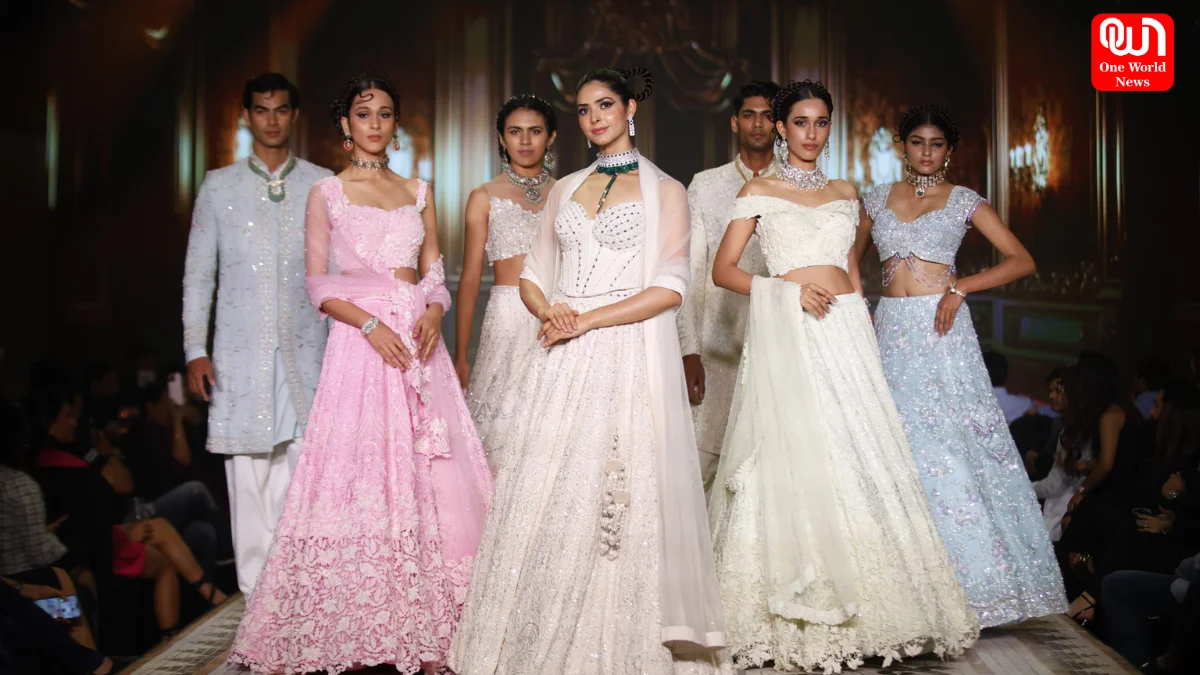
Neeta Lulla Aspiring Costume Designers Need Education and Skill: Insights from Bollywood’s Legendary Designer
When it comes to costume design in Indian cinema and fashion, few names resonate as strongly as Neeta Lulla. With a career spanning over four decades and hundreds of films to her credit, she is not just a celebrated costume designer — she also serves as a mentor, role model, and voice of experience for those entering the world of fashion and design. One message she consistently emphasizes to young creators is clear: education matters — passion alone isn’t enough.
Read more: Ranveer Singh Shares New Poster of Dhurandhar 2: “Ab Bigadne Ka Waqt Aa Gaya Hai”
A Legacy Built on Skill and Study
Neeta Lulla’s journey began in the 1980s, during a period when fashion and costume design were far less understood as professional fields. Born and raised in Mumbai, she immersed herself in fashion early on, studying pattern making and garment manufacturing after marriage — a choice that would lay the groundwork for her future success.
Her early work led to opportunities in Bollywood, where she eventually designed costumes for over 300 films, including iconic titles such as Devdas, Jodhaa Akbar, Balgandharva, and many others. Often celebrated for her meticulous research and cultural sensitivity, Lulla’s creations have won her multiple National Film Awards for Best Costume Design — four times over — and solidified her reputation as a master of her craft.
Passion Is the Starting Point, Not the Destination
Many aspiring designers are driven by a love for clothes, style, and cinema — and that passion often draws them to costume design in the first place. But Lulla’s experience suggests that passion must be paired with structured learning. She has stressed in interviews how a strong foundation in technique, craft, and organizational skills is essential to stand out in a competitive creative industry.
According to Neeta Lulla, costume design isn’t simply about creating attractive clothes. It requires understanding character, period, context, movement, and narrative — especially in films. An education in design equips students with the tools to think critically, research thoroughly, and execute with precision, qualities that passion alone cannot guarantee.
Mentorship and Formal Training
Beyond her own professional training, Lulla’s commitment to education extends to teaching and mentorship. She has been involved in fashion education initiatives and even played a role in establishing fashion curricula that bridge industry practice with academic learning. Institutions like the Whistling Woods International – Neeta Lulla School of Fashion aim to provide aspiring designers with practical training and industry insights that can’t be learned overnight.
Such programs highlight how formal education not only builds design skills but also introduces students to the realities of a career in fashion, including fabrication, fashion history, collaboration, and business fundamentals.
The Evolution of Costume Design as a Profession
Costume design has evolved significantly since Lulla first entered the industry. What was once a niche role has grown into a respected creative profession, integral to storytelling in films, television, theater, and fashion shows. With globalization and digital media, today’s audiences notice costume nuance like never before — whether it’s a historical period drama or a contemporary fashion narrative.
This evolution has made the need for education even more pressing. Aspiring designers are expected to understand not just aesthetics but also cultural context, technical patterning, fabric behavior, and digital design tools — all areas that benefit from structured study.
A Mentor’s Advice to Young Creatives
Lulla’s perspective on craft emphasizes a balance of creativity and discipline. She encourages young designers to explore their imagination but also to respect the fundamentals of design education. Skills like sketching, draping, textile knowledge, and costume history form the backbone of a successful design career.
Read more: Mardaani 3 Box Office Slows Down After Weekend Momentum
She also underscores the importance of adaptability. The fashion and film industries are always changing, and a solid educational background equips students with the ability to evolve with new trends, technologies, and creative demands.
Empowering the Next Generation
For many who aspire to enter the field, Neeta Lulla stands as a proof of what is possible — not just through talent, but through discipline, education, and perseverance. Her career inspires not simply admiration but a blueprint for how new designers should approach their craft.
In her words and her work, the message is clear: yes, pursue your passion — but pair it with education, study, and discipline to build a lasting creative career.
We’re now on WhatsApp. Click to join.
Like this post?
Register at One World News to never miss out on videos, celeb interviews, and best reads.