US Trade Deal: India Gains Edge With 18% Tariff Over Pakistan, China, Bangladesh
US Trade Deal cuts tariffs on Indian goods to 18%, giving India a competitive export advantage over Pakistan, China and Bangladesh in the US market.

US Trade Deal 2026: How India Gains Edge Over Pakistan, China and Bangladesh With 18% Tariff
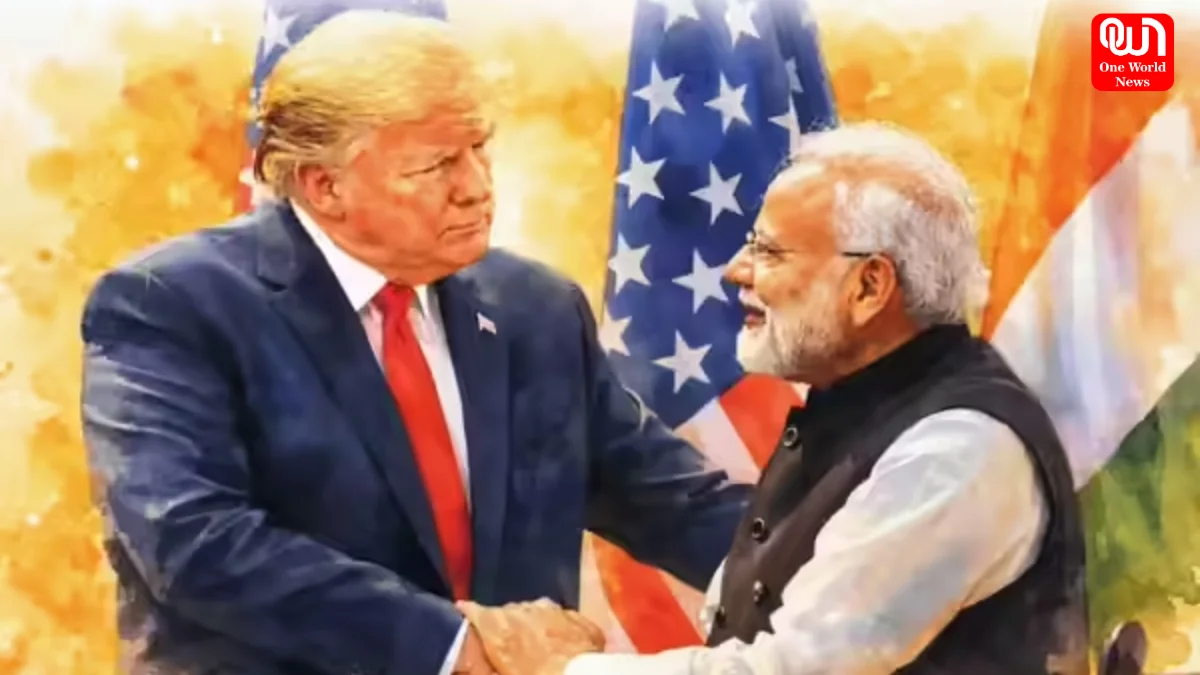
In a major shift in global trade relations, a new US Trade Deal has significantly changed how Indian exports are treated in the American market, giving India gains edge over key regional competitors including Pakistan, China and Bangladesh. The agreement — which reduces tariffs on Indian goods from a punitive high to a much lower 18% rate — marks a fresh chapter in bilateral economic ties and has broad implications for global trade dynamics in 2026.
What the New US Trade Deal Means
Under the recently announced agreement, the United States has agreed to dramatically lower the tariff on Indian exports to 18%. This represents a significant decrease from earlier rates — previously as high as 50% when punitive duties tied to India’s past energy purchases were in place.
The move came after months of negotiations between the two nations. According to official statements, one of the conditions for the tariff cut was India’s decision to halt purchases of discounted Russian crude oil, a decision that was tied into wider diplomatic and economic considerations.
India Gains Edge Over Regional Competitors
The most immediate effect of the tariff reduction is the relative cost advantage it gives Indian exporters compared with their counterparts from neighbouring countries.
Several of India’s export rivals — including Pakistan, China, Bangladesh, Indonesia, and Vietnam — continue to face higher tariff barriers when selling goods to the United States. For example:
-
China still faces tariffs in the mid-30% range on its exports to the US.
-
Pakistan’s exports are subject to tariffs around 19%.
-
Bangladesh and Vietnam face about 20%.
-
Indonesia stands at approximately 19%.
By contrast, Indian goods now enter the US market at just an 18% tariff, giving them a clear and measurable edge. In effect, this makes Indian products more competitive on price, especially in categories such as textiles, leather goods, handicrafts, and certain industrial inputs.
Read more: Political Roundup: Today’s Top National Political Headlines
Why It Matters for Exports
Lower tariffs directly affect the bottom line for exporters. When Indian products face lower duties than those from China, Pakistan and Bangladesh, they become naturally more attractive to American importers and consumers. This can lead to:
-
Higher export volumes for Indian manufacturers.
-
Increased foreign exchange earnings for India.
-
Greater investment interest from global companies seeking competitive supply chains.
-
Job growth in key export sectors.
Economists say that while tariff rate differences are only one factor in trade competitiveness, they are a highly visible and impactful one — especially in large markets like the United States, which is among India’s top export destinations.
Broader Strategic Implications
The US Trade Deal is not just about tariff cuts; it reflects deeper strategic alignment between India and the United States. By lowering barriers, the US is signalling its willingness to strengthen economic ties with New Delhi amid shifting global political dynamics.
The deal also includes provisions for increased cooperation in areas such as energy, defence, and technology trade. Reports indicate that India has agreed to expand imports of American petroleum and other goods, while easing its own restrictions on certain foreign products.
Analysts view this as part of a broader trend where countries are diversifying their trade relationships rather than relying on traditional partners alone. The tariff cut may encourage other nations to reconsider their trade policies, potentially inviting more competitive multinational export strategies.
Read more: Sitharaman Cites Elon Musk Post, Slams Opposition on India’s GDP Role
What It Means for Other Countries
India’s new edge has been met with a mix of reactions across the region. Countries like Pakistan, China, and Bangladesh — which have historically competed in similar export categories — may find their products relatively less attractive in the US market due to higher tariffs. This could prompt shifts in trade direction or new negotiations with the United States.
For smaller economies like Bangladesh and Pakistan, the tariff differential may require a renewed focus on niche products, bilateral trade deals with other partners, or diversification into services and technology sectors.
Market Reactions and Economic Signals
The markets have responded positively to the trade deal news. Indian financial indicators such as the rupee’s value and stock indices showed favorable movements following the announcement, reflecting investor confidence in future export growth potential.
However, some trade analysts urge caution, noting that long-term benefits depend on implementation, global economic trends, and how effectively Indian industries can scale production and meet quality standards demanded by diverse international buyers.
Concluding Thoughts
The US Trade Deal of 2026 marks a pivotal moment in India’s global trade story. With tariffs lowered to 18%, India gains edge over Pakistan, China, and Bangladesh in one of the world’s most important markets. This change has the potential to spur export growth, deepen economic ties with the US, and reshape competitive patterns across the region.
As nations adapt to this new framework, the global trade landscape of 2026 and beyond may look markedly different, with India playing a more prominent role among emerging export leaders.
We’re now on WhatsApp. Click to join.
Like this post?
Register at One World News to never miss out on videos, celeb interviews, and best reads.