Kamaladevi Chattopadhyay: Guardian of India’s Cultural Identity
Kamaladevi Chattopadhyay was a freedom fighter and cultural reformer who revived India’s handicrafts, arts, and artisan livelihoods after Independence.

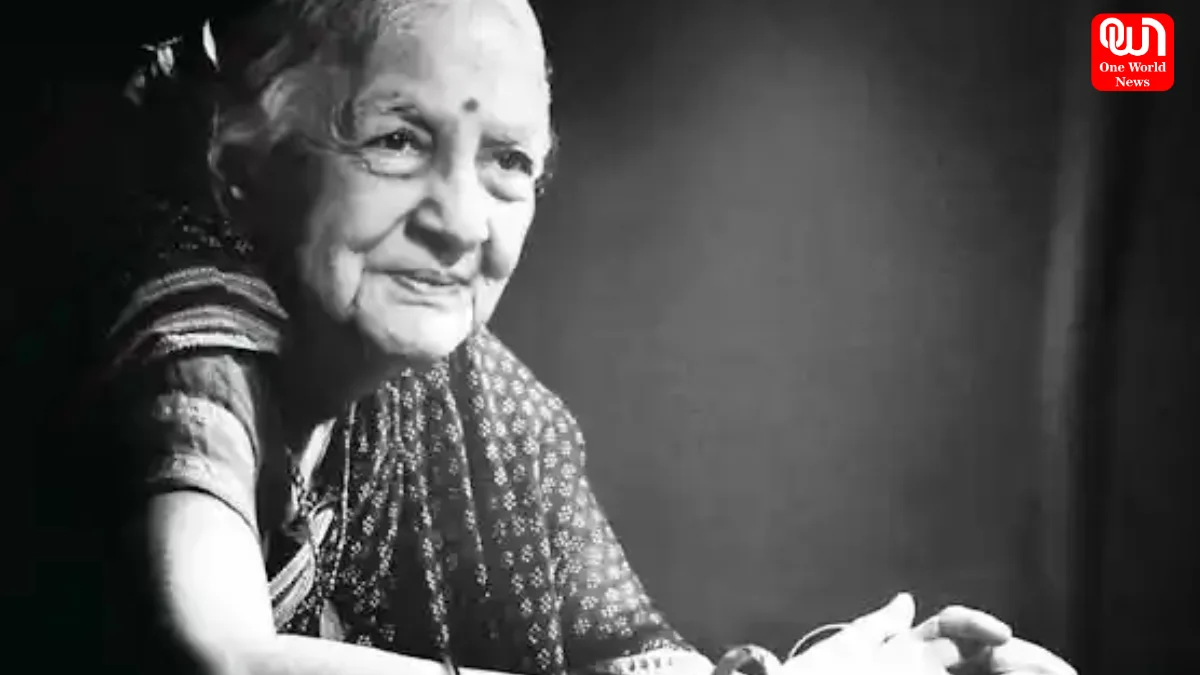
Kamaladevi Chattopadhyay: The Freedom Fighter Who Preserved India’s Cultural Soul and Handcrafted Heritage
India’s freedom struggle is often remembered through marches, slogans, and political milestones. Yet some revolutions happened quietly — not on battlefields, but in villages, workshops, and homes. Kamaladevi Chattopadhyay was one such revolutionary, a woman who fought not only for political freedom but for the preservation of India’s cultural soul.
When the nation rose against colonial rule, Kamaladevi stood at the forefront. She was among the first women to contest elections in British India, challenging deeply entrenched patriarchal norms. At a time when women were expected to remain invisible, she claimed political space with courage and conviction.
A Fearless Participant in the Freedom Movement
Kamaladevi Chattopadhyay actively participated in the freedom struggle, including the historic Salt Satyagraha. She faced arrest and imprisonment, enduring hardship without surrendering her ideals. For her, the fight against colonial rule was inseparable from the fight for dignity, equality, and self-respect.
Prison walls could confine her body, but they never contained her vision. Even during the freedom movement, Kamaladevi was thinking beyond independence — questioning what freedom would truly mean for a diverse and culturally rich nation like India.
Redefining Freedom After Independence
After India achieved independence, the country faced a new challenge: rebuilding identity after years of exploitation and disruption. While many focused on industrial growth and political consolidation, Kamaladevi Chattopadhyay asked a deeper question: What is freedom without identity?
She recognized that India’s traditional arts, crafts, and cultural expressions were fading under the pressure of modernization and neglect. Artisans, especially in rural areas, were losing both livelihood and dignity. Kamaladevi understood that preserving culture was not about nostalgia — it was about survival.
Read more: Sitharaman Cites Elon Musk Post, Slams Opposition on India’s GDP Role
Reviving India’s Handicrafts and Handlooms
Kamaladevi Chattopadhyay dedicated her post-independence life to reviving India’s handicrafts, handlooms, theatre, and folk arts. She worked tirelessly to support weavers, potters, metalworkers, and performers whose skills had been passed down for generations.
Her efforts helped transform dying crafts into thriving sources of income. She empowered thousands of artisans, particularly women, by restoring pride in their work and connecting them to national and global platforms.
Because of her vision, Indian crafts did not disappear into history books — they evolved into living heritage.
Empowering Women Through Culture
For Kamaladevi, cultural revival was inseparable from women’s empowerment. She believed that economic independence was essential for dignity. By strengthening craft-based livelihoods, she enabled women to support themselves while preserving traditional knowledge.
Every handcrafted saree, every piece of terracotta, and every woven textile carries traces of her legacy. These are not just products — they are stories of resilience, identity, and continuity.
A Cultural Architect of Modern India
Kamaladevi Chattopadhyay played a crucial role in shaping cultural institutions that continue to define India’s artistic landscape. She worked to ensure that folk traditions, regional theatre, and indigenous art forms received recognition and respect alongside classical and elite expressions.
Her work bridged the gap between tradition and modernity, proving that progress does not require abandoning roots.
Why Kamaladevi Chattopadhyay Still Matters
In an era of rapid globalization, Kamaladevi Chattopadhyay’s ideas feel more relevant than ever. She reminded the nation that economic growth without cultural integrity leads to emptiness. Her life stands as proof that freedom is incomplete if it erases identity.
Despite her immense contributions, she remains underrepresented in mainstream historical narratives. Yet her influence is visible everywhere — in craft fairs, handloom exhibitions, and the renewed respect for indigenous arts.
Read more: Political Roundup: Today’s Top National Political Headlines
A Legacy Beyond Politics
Kamaladevi Chattopadhyay was not just a freedom fighter.
She was a cultural visionary.
A protector of heritage.
A quiet revolutionary who ensured that India did not lose itself in the process of becoming free.
Remembering her is not merely an act of homage — it is a reminder that true independence lies in preserving who we are.
We’re now on WhatsApp. Click to join.
Like this post?
Register at One World News to never miss out on videos, celeb interviews, and best reads.