Saadat Hasan Manto: The Writer Who Refused to Look Away
Saadat Hasan Manto used fearless storytelling to expose the brutal truths of Partition, society, and human hypocrisy through timeless prose.

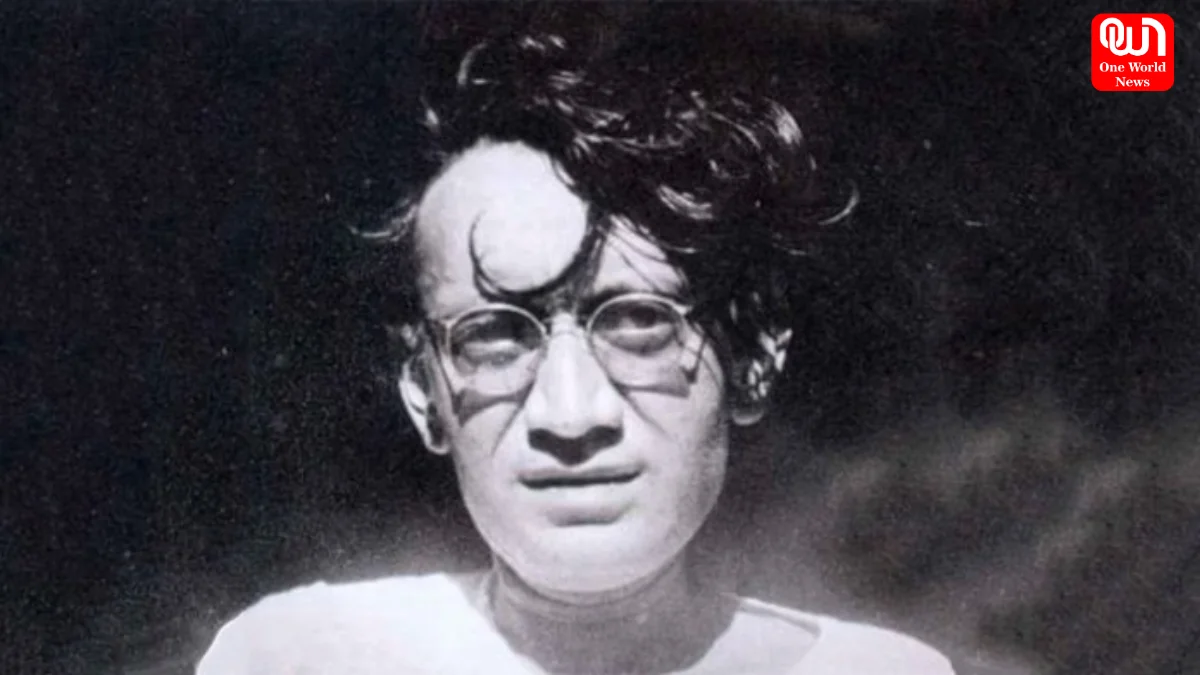
Saadat Hasan Manto: The Fearless Writer Who Turned Pain, Partition, and Truth into Timeless Literature
History remembers wars, borders, and political victories, but it often struggles to confront the human cost behind them. Few writers dared to hold up that uncomfortable mirror to society as fearlessly as Saadat Hasan Manto. He was not merely a storyteller — he was a witness, a chronicler of pain, and a voice that refused to be silenced.
Born in 1912, Manto lived in an era of enormous upheaval. Colonial rule, the struggle for independence, and the violent Partition of the Indian subcontinent shaped his worldview. Where many writers chose idealism or nationalism, Manto chose honesty — raw, unsettling, and uncompromising.
A Mirror Society Didn’t Want to See
Saadat Hasan Manto believed that a writer’s job was not to comfort society, but to expose it. His stories forced readers to confront realities they preferred to ignore: violence, hypocrisy, sexual exploitation, and the moral collapse that often accompanies social change.
He did not dress suffering in poetic language or heroic narratives. Instead, he wrote about ordinary people caught in extraordinary cruelty. Prostitutes, refugees, lunatics, and victims of violence became central figures in his work — not as symbols, but as human beings.
This honesty made Manto deeply controversial.
Read more: Second Only To The Kumbh Mela, Telangana Hosts Asia’s Largest Tribal Congregation
Writing the Madness of Partition
The Partition of India in 1947 marked a turning point in Manto’s life and writing. Millions were displaced, and countless lives were lost in communal violence. While political leaders spoke of freedom and independence, Manto wrote about blood, trauma, and broken minds.
His most famous story, Toba Tek Singh, captured the absurdity of Partition through the lens of inmates in a mental asylum. In a world where borders were redrawn overnight, Manto questioned who was truly sane — the lunatics or the leaders dividing nations.
Through such stories, Saadat Hasan Manto documented the emotional and psychological scars of Partition, preserving truths that official histories often glossed over.
Trials for “Obscenity”
Manto’s refusal to sanitize reality led to severe consequences. He faced six trials for obscenity, accused of corrupting public morals. Yet his writing never glorified violence or exploitation — it exposed them.
Manto famously argued that if his stories felt obscene, it was because the society they portrayed was obscene. His writing forced readers to question their own moral comfort zones, and that made many uncomfortable.
One of his most quoted lines captures his philosophy perfectly:
“If you cannot bear these stories, it is because we live in unbearable times.”
A Life Marked by Struggle
Despite his literary brilliance, Manto’s life was marked by poverty, criticism, and isolation. After moving to Pakistan post-Partition, he struggled with financial instability and declining health. Alcoholism, depression, and constant attacks on his character took a heavy toll.
He died young, at just 42 years old, largely misunderstood and underappreciated during his lifetime. Yet even in death, his voice refused to fade.
Why Manto Still Matters Today
Decades later, the relevance of Saadat Hasan Manto has only grown. His stories continue to resonate in a world still grappling with violence, censorship, and social hypocrisy. He reminds us that freedom of expression is meaningless if it avoids uncomfortable truths.
Manto did not offer solutions. He asked questions — sharp, disturbing questions that linger long after the story ends. He challenged readers to confront their prejudices, their silence, and their complicity.
In an age of curated narratives and selective outrage, Manto’s honesty feels more radical than ever.
Read more: Second Only To The Kumbh Mela, Telangana Hosts Asia’s Largest Tribal Congregation
A Legacy Written in Truth
Saadat Hasan Manto did not write to please. He wrote to reveal. He turned pain into prose and suffering into testimony. His work stands as a reminder that literature is not just about beauty — it is about truth.
He did not write stories.
He wrote reality.
And reality, no matter how uncomfortable, survives.
Remembering Saadat Hasan Manto is not just about honoring a writer. It is about honoring the courage to speak when silence is easier — and the power of words to outlive borders, trials, and time.
We’re now on WhatsApp. Click to join.
Like this post?
Register at One World News to never miss out on videos, celeb interviews, and best reads.