World Whale Day 2026: Celebrating and Protecting Ocean Giants
World Whale Day 2026 highlights the importance of whales in ocean ecosystems and the urgent need for global conservation efforts.

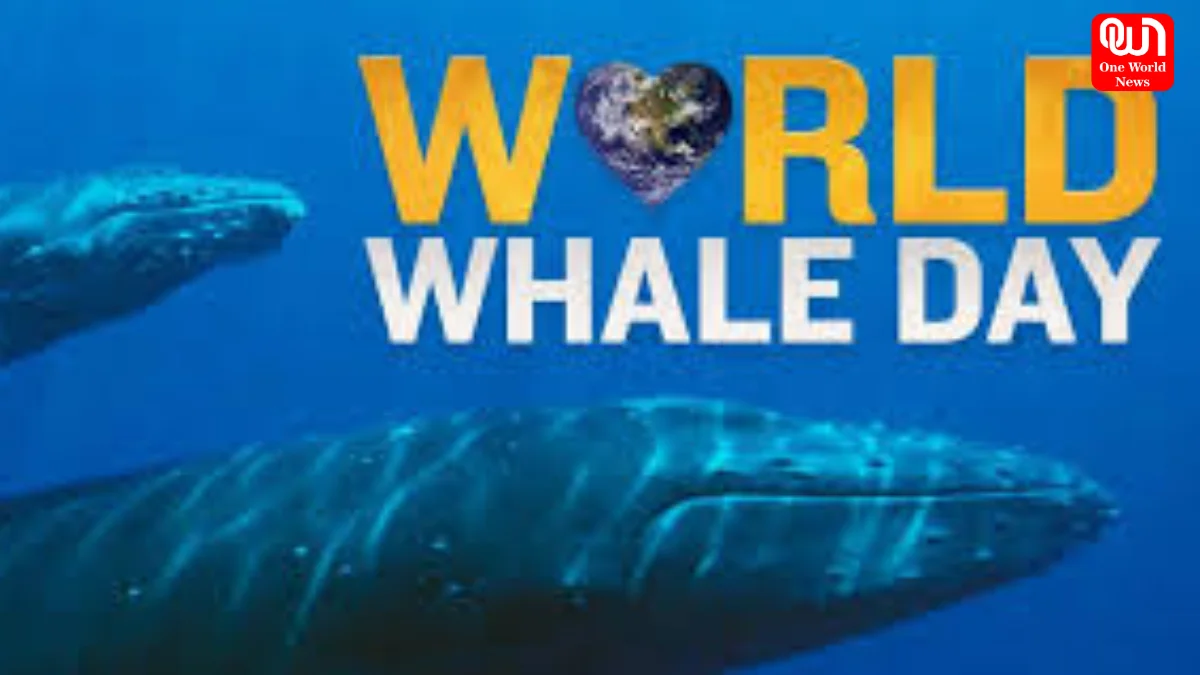
World Whale Day 2026: Why Protecting the Giants of the Ocean Matters More Than Ever
World Whale Day 2026, observed on February 15, 2026, shines a spotlight on some of the most majestic and intelligent creatures on Earth. Whales have roamed the oceans for millions of years, shaping marine ecosystems long before humans appeared. This global awareness day encourages people to understand their importance and reflect on the urgent need to protect them.
Read more: Yash Birthday 2026: Date, Journey, and Why Fans Celebrate Him Worldwide
Whales are more than symbols of ocean beauty — they are vital to the health of the planet.
Why Whales Matter to the Planet
Whales play a crucial role in maintaining balanced marine ecosystems. As they move through the oceans, they help regulate food chains and nutrient cycles. Their feeding and migration patterns support plankton growth, which absorbs large amounts of carbon dioxide from the atmosphere.
This natural process makes whales unexpected allies in the fight against climate change. Healthy whale populations contribute to healthier oceans, which in turn support life on Earth.
World Whale Day 2026 reminds us that protecting whales also means protecting the planet.
A History of Exploitation and Decline
For centuries, whales were hunted for oil, meat, and other resources. Commercial whaling pushed several species to the brink of extinction. Although international bans have reduced large-scale hunting, the damage done to whale populations has been severe and long-lasting.
Some species are slowly recovering, but many remain endangered or vulnerable. The legacy of exploitation continues to affect whale numbers, genetic diversity, and migration patterns.
World Whale Day serves as a moment to acknowledge this history and commit to a more responsible future.
Modern Threats Facing Whales
Today, whales face dangers that go beyond hunting. Ocean pollution, plastic waste, ship strikes, climate change, and underwater noise all threaten their survival. As shipping routes expand, collisions between vessels and whales have become more frequent and deadly.
Climate change is altering ocean temperatures and food availability, forcing whales to change their migration routes. Noise pollution from industrial activity disrupts their communication, which is essential for navigation, feeding, and social bonding.
World Whale Day 2026 highlights these challenges and the need for immediate action.
The Intelligence and Social Lives of Whales
Whales are among the most intelligent animals on the planet. They demonstrate complex social behavior, emotional bonds, and advanced communication skills. Some species use unique vocal patterns passed down through generations, forming what scientists describe as whale “cultures.”
Their deep social connections mean that the loss of even a single whale can affect entire groups. Understanding this emotional and social complexity has strengthened arguments for stronger protection and ethical responsibility.
Global Conservation Efforts
Conservation organizations, researchers, and governments around the world are working to protect whales through marine sanctuaries, shipping regulations, and rescue initiatives. Technology such as satellite tracking and acoustic monitoring has improved our understanding of whale behavior and migration.
World Whale Day 2026 celebrates these efforts while emphasizing that global cooperation is essential. Whales do not recognize national borders, making international collaboration critical for their survival.
Public awareness plays a major role in conservation success. The more people understand whales, the stronger the support for policies that protect them.
How World Whale Day Is Observed
On World Whale Day, environmental groups organize educational programs, documentaries, beach cleanups, and online campaigns. Schools and universities use the occasion to teach students about marine ecosystems and conservation.
Social media also amplifies the message, helping spread awareness about threats facing whales and how individuals can help. Even simple actions, such as reducing plastic use or supporting conservation organizations, can make a difference.
What Individuals Can Do
World Whale Day 2026 encourages individuals to reflect on their relationship with the ocean. Choosing sustainable seafood, reducing pollution, supporting eco-friendly tourism, and advocating for environmental protection are meaningful steps.
Small lifestyle changes, when multiplied across communities, can significantly reduce human impact on marine life.
Read more: Global Movie Day 2026: A Celebration of Stories on Screen
Looking Ahead
The future of whales depends on decisions made today. As scientific understanding grows, so does the responsibility to act. Whales have survived natural challenges for millions of years, but human activity remains their greatest threat.
World Whale Day 2026 is both a celebration and a call to action. It reminds us that protecting whales is not just about preserving a species — it’s about safeguarding the health of our oceans and the balance of life on Earth.
By choosing awareness and action, humanity can ensure that these ocean giants continue to thrive for generations to come.
We’re now on WhatsApp. Click to join.
Like this post?
Register at One World News to never miss out on videos, celeb interviews, and best reads.