
World Day of the Sick: A Global Call for Care and Compassion
World Day of the Sick highlights compassion, healthcare access, and solidarity with those suffering from illness across the world.

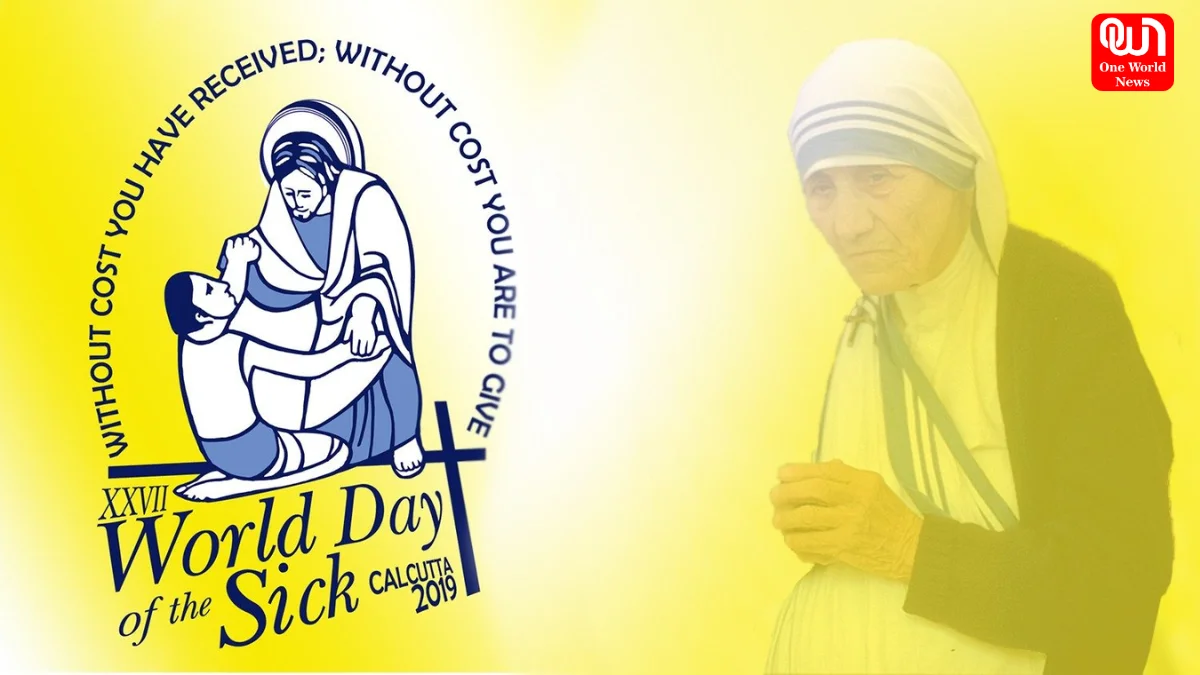
World Day of the Sick: Honoring Compassion, Care, and Solidarity With the Ill and Vulnerable
World Day of the Sick is observed every year on February 11, dedicated to raising awareness about the needs of people who are ill and honoring those who care for them. The day serves as a reminder that illness is not just a medical condition, but a deeply human experience that calls for empathy, dignity, and collective responsibility.
Established to encourage societies to support the sick and vulnerable, World Day of the Sick emphasizes compassion alongside healthcare systems.
The Meaning Behind World Day of the Sick
Illness often brings isolation, fear, and vulnerability. World Day of the Sick seeks to shift the global focus beyond treatment alone, highlighting emotional, social, and spiritual care as essential components of healing.
The observance reminds governments, institutions, and communities that access to quality healthcare is a fundamental human concern. It also encourages individuals to recognize the everyday struggles faced by people living with chronic illness, disability, or temporary medical hardship.
Read more: Prafulla Chandra Ray: The Visionary Who Built the Soul of Indian Science
Why This Day Matters in the Modern World
In today’s fast-paced society, illness is often discussed in statistics rather than human stories. World Day of the Sick brings attention back to the individual — the patient, the caregiver, and the family navigating uncertainty.
The day is especially relevant in a world still shaped by global health crises, aging populations, and unequal access to medical care. It reinforces the importance of resilient healthcare systems and compassionate policies that protect the most vulnerable.
Honoring Healthcare Workers and Caregivers
World Day of the Sick also pays tribute to doctors, nurses, caregivers, and healthcare workers who dedicate their lives to caring for others. Their work often goes beyond clinical duties, offering comfort, reassurance, and hope in moments of deep distress.
Caregivers, including family members, are equally recognized. Many provide long-term support without formal training or recognition, yet their role is essential in the healing process. This day acknowledges their strength, patience, and emotional resilience.
Illness and Human Dignity
One of the core messages of World Day of the Sick is the protection of human dignity. Illness can sometimes lead to marginalization, stigma, or neglect, particularly for those with mental health conditions or long-term disabilities.
The observance calls for inclusive healthcare practices that respect patients’ rights, choices, and individuality. It encourages societies to create environments where the sick are not defined solely by their conditions but are valued as full members of the community.
Global Health Inequality and Access to Care
World Day of the Sick also highlights disparities in healthcare access across regions and populations. While some communities benefit from advanced medical facilities, others struggle with basic services such as clean water, medication, and trained professionals.
By drawing attention to these inequalities, the day encourages international cooperation, policy reform, and investment in healthcare infrastructure. It serves as a reminder that global health is interconnected and that neglect in one region can have far-reaching consequences.
How World Day of the Sick Is Observed
On World Day of the Sick, hospitals, healthcare institutions, and community organizations often host awareness programs, prayer services, health camps, and outreach initiatives. Educational discussions focus on patient care, mental health, and ethical responsibilities in medicine.
Individuals observe the day by visiting the sick, volunteering, donating to healthcare causes, or simply offering time and attention to someone in need. Small acts of kindness reflect the spirit of the observance.
A Day Rooted in Compassion
At its heart, World Day of the Sick is about compassion. It encourages societies to slow down, listen, and respond to suffering with humanity. It reminds us that illness can touch anyone, regardless of age, status, or background.
The day fosters empathy not as an abstract ideal, but as a daily practice — in hospitals, homes, workplaces, and communities.
Read more: Promise Day: The Power of Words That Build Trust and Love
Looking Forward
As medical science advances, World Day of the Sick remains a moral compass, reminding the world that healing is not only about curing disease but also about caring for people.
By honoring the sick, supporting caregivers, and advocating for equitable healthcare, the observance strengthens the global commitment to dignity, compassion, and shared responsibility.
World Day of the Sick stands as a powerful reminder that how we treat the most vulnerable reflects the values of our society — and that compassion remains one of humanity’s greatest strengths.
We’re now on WhatsApp. Click to join.
Like this post?
Register at One World News to never miss out on videos, celeb interviews, and best reads.