
World Wetlands Day: Understanding the Importance of Earth’s Lifesaving Ecosystems
World Wetlands Day highlights the vital role wetlands play in protecting biodiversity, climate balance, water security, and human livelihoods.

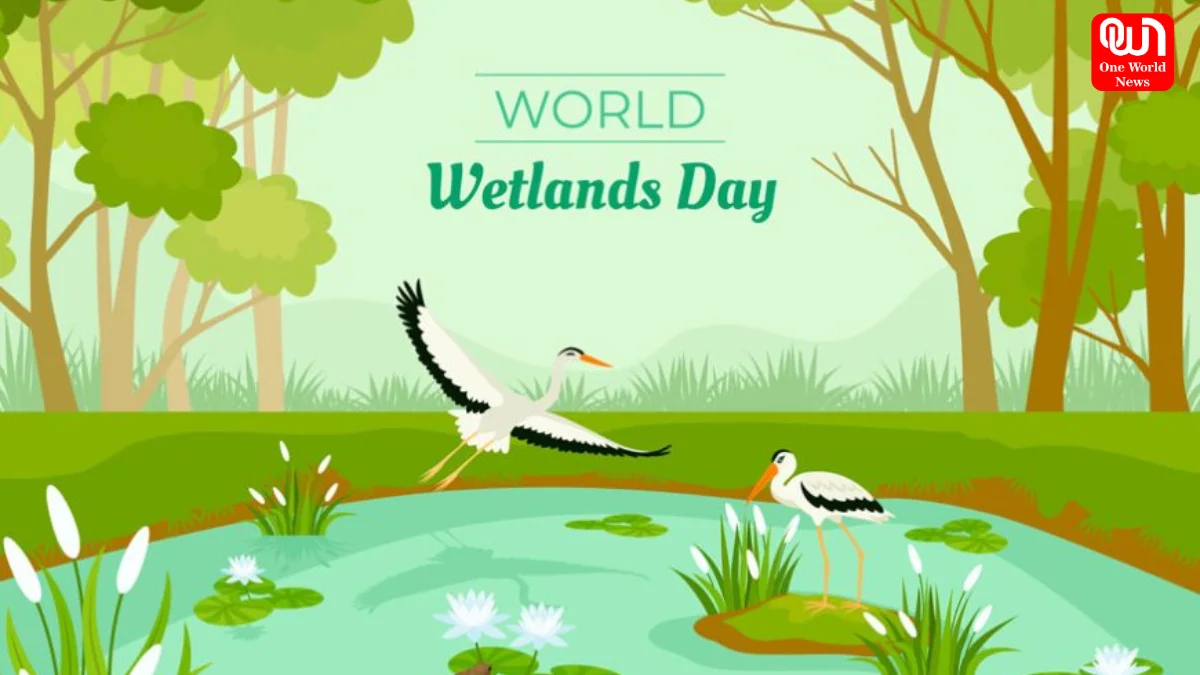
World Wetlands Day: Why Protecting Wetlands Is Essential for Climate, Biodiversity, and Human Survival
Every year, World Wetlands Day is observed to raise awareness about one of the planet’s most valuable yet most threatened ecosystems. Wetlands — including marshes, swamps, lakes, rivers, mangroves, and peatlands — are essential for environmental balance, biodiversity, and human survival. Despite their importance, wetlands continue to disappear at an alarming rate.
World Wetlands Day reminds the world that protecting these ecosystems is not optional; it is necessary for a sustainable future.
Read more: D Vance Defends H-1B Restrictions Amid Visa Turmoil for Indians
What Are Wetlands?
Wetlands are areas where water is the primary factor controlling the environment and the life within it. They may be permanently or seasonally flooded and can exist in both freshwater and coastal regions. Wetlands act as a natural bridge between land and water ecosystems.
Because of their unique conditions, wetlands support a wide variety of plant and animal life. Many species depend entirely on wetlands for breeding, feeding, and shelter.
Why World Wetlands Day Is Observed
World Wetlands Day marks the anniversary of the signing of an international treaty focused on wetland conservation. The day aims to educate people about the value of wetlands and encourage governments, organizations, and individuals to take action to protect them.
Despite covering only a small portion of the Earth’s surface, wetlands provide services that benefit billions of people worldwide. Yet they are among the most degraded ecosystems due to urbanization, pollution, agriculture, and climate change.
Wetlands and Biodiversity
Wetlands are biodiversity hotspots. They provide habitat for countless species of birds, fish, amphibians, insects, and plants. Many migratory birds rely on wetlands as resting and feeding grounds during long journeys.
Loss of wetlands directly leads to the decline of species that depend on them. World Wetlands Day emphasizes that conserving wetlands is essential to preserving global biodiversity and preventing species extinction.
Natural Protection Against Climate Change
One of the most critical roles of wetlands is their ability to regulate climate. Wetlands store large amounts of carbon, particularly peatlands and mangroves. By trapping carbon dioxide, they help reduce the impact of climate change.
Wetlands also act as natural buffers against extreme weather events. They absorb excess rainfall, reduce flooding, and protect coastal areas from storms and rising sea levels. As climate-related disasters increase, the protective role of wetlands becomes even more vital.
Wetlands and Water Security
Wetlands play a key role in maintaining clean and reliable water supplies. They act as natural water filters, removing pollutants, sediments, and excess nutrients from water. This improves water quality for drinking, agriculture, and ecosystems downstream.
By storing and slowly releasing water, wetlands help regulate water flow, reducing the risk of droughts and floods. World Wetlands Day highlights how wetland conservation directly supports human health and food security.
Threats Facing Wetlands
Despite their value, wetlands are disappearing faster than forests. Major threats include land conversion for agriculture and urban development, pollution from industrial and agricultural sources, invasive species, and climate change.
Drainage and overuse have caused many wetlands to shrink or vanish entirely. The loss of wetlands not only damages ecosystems but also increases vulnerability to floods, water shortages, and climate impacts.
How World Wetlands Day Is Observed
On World Wetlands Day, governments, environmental groups, schools, and communities organize awareness campaigns, educational programs, clean-up drives, and conservation initiatives. The goal is to inspire action at both local and global levels.
Social media campaigns, nature walks, and policy discussions help bring attention to wetland protection and encourage sustainable land and water use.
What Individuals Can Do
Protecting wetlands is not only the responsibility of governments. Individuals can contribute by supporting conservation efforts, reducing pollution, conserving water, and spreading awareness about the importance of wetlands.
read more: Samantha Ruth Prabhu’s Houndstooth-Print Silk Saree Look Is Quietly Powerful
Responsible tourism, community participation, and sustainable lifestyle choices can help reduce pressure on wetland ecosystems.
A Call to Protect Our Future
World Wetlands Day serves as a powerful reminder that wetlands are essential for life on Earth. They support biodiversity, protect communities from climate extremes, and provide clean water and livelihoods.
As the world faces growing environmental challenges, conserving wetlands is one of the most effective ways to build resilience and protect future generations. World Wetlands Day calls on everyone to recognize the value of wetlands — not just for nature, but for humanity itself.
We’re now on WhatsApp. Click to join.
Like this post?
Register at One World News to never miss out on videos, celeb interviews, and best reads.