International Zebra Day 2026: Why Protecting Zebras Matters
International Zebra Day 2026 highlights the importance of protecting zebras, their habitats, and the fragile ecosystems they support.

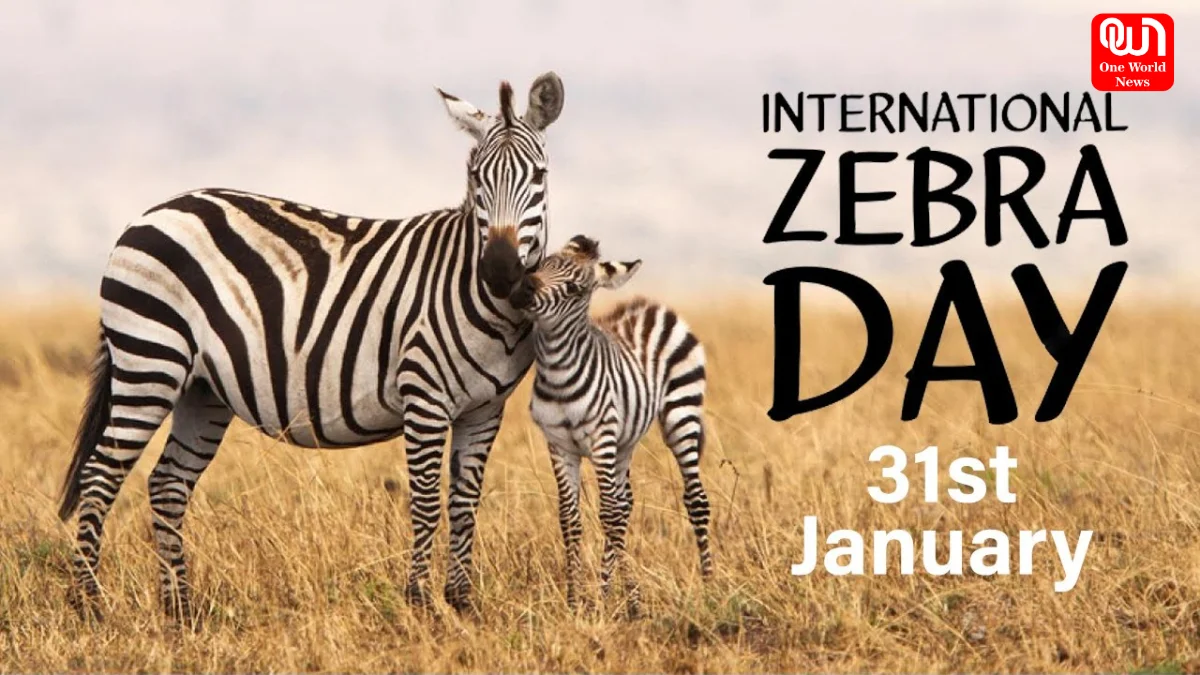
International Zebra Day 2026: Raising Awareness to Protect One of Nature’s Most Iconic Animals
Every year, wildlife lovers and conservationists observe International Zebra Day 2026 to draw attention to one of the most recognizable animals on the planet. With their striking black-and-white stripes and strong presence across African landscapes, zebras are iconic — yet increasingly vulnerable.
This day is dedicated not just to celebrating zebras, but to understanding the threats they face and why their survival matters to the health of ecosystems worldwide.
Understanding Zebras Beyond Their Stripes
Zebras are wild equines native to Africa and are closely related to horses and donkeys. While often seen as common animals in documentaries and wildlife imagery, zebras are far from uniform. There are several species and subspecies, each adapted to different environments ranging from grasslands to mountainous regions.
Their stripes are not just visually striking; scientists believe they serve multiple purposes, including deterring insects, regulating body temperature, and providing camouflage within herds. Each zebra’s stripe pattern is unique, much like a fingerprint.
Read more: Kareena Kapoor Channels Christmas Spirit in a Red Malini Ramani Gown
Why International Zebra Day Is Important
International Zebra Day 2026 focuses on raising awareness about the growing risks zebras face in the wild. Habitat loss, climate change, illegal hunting, and human-wildlife conflict have significantly impacted zebra populations in recent decades.
While some species are relatively stable, others are classified as endangered or vulnerable. The decline of zebra populations often signals deeper environmental issues, as zebras play a vital role in maintaining healthy grasslands.
Zebras and Ecosystem Balance
Zebras are grazing animals that help shape the landscape. By feeding on tall grasses, they prepare the ground for other herbivores that prefer shorter vegetation. This natural grazing cycle supports biodiversity and maintains balance within ecosystems.
When zebra populations decline, the effects ripple through the food chain. Predators lose a food source, vegetation patterns change, and overall ecosystem stability is threatened. International Zebra Day 2026 highlights how protecting zebras also protects countless other species.
Threats Facing Zebra Populations
One of the biggest challenges zebras face is habitat fragmentation. Expanding agriculture, infrastructure development, and human settlements have reduced the open spaces zebras need to roam freely.
Climate change has further intensified these pressures by altering rainfall patterns and reducing water availability. In some regions, zebras are also targeted for their skins or hunted illegally, despite protective laws.
Human-wildlife conflict is another growing issue. As zebras move closer to farmlands in search of food and water, they are often viewed as pests rather than essential wildlife.
How International Zebra Day 2026 Is Observed
On International Zebra Day 2026, conservation groups, schools, and wildlife organizations host educational programs, social media campaigns, and awareness drives. These initiatives aim to teach people about zebra species, conservation efforts, and the importance of protecting natural habitats.
The day is also used to highlight the work of conservationists and local communities who are actively involved in protecting zebras on the ground.
What Individuals Can Do to Help
Protecting zebras does not require living near wildlife reserves. Supporting conservation organizations, spreading awareness, and making environmentally responsible choices all contribute to wildlife protection.
Responsible tourism also plays a role. Ethical wildlife experiences that respect natural habitats help fund conservation while discouraging exploitation.
International Zebra Day 2026 encourages people to see wildlife conservation as a shared global responsibility.
Zebras as Symbols of the Wild
Zebras symbolize freedom, balance, and the beauty of nature’s design. Their presence in art, culture, and storytelling reflects humanity’s long fascination with the wild.
However, symbolism alone is not enough. Without active conservation, zebras risk becoming symbols of loss rather than life.
Read more: Alia Bhatt Redefines Indian Evening Wear in Anamika Khanna Ivory Lehenga
Looking to the Future
The future of zebras depends on sustained conservation efforts, habitat protection, and global awareness. As environmental challenges grow more complex, protecting keystone species like zebras becomes even more urgent.
International Zebra Day 2026 serves as a reminder that protecting wildlife is not optional — it is essential for the planet’s health and our shared future.
By understanding, respecting, and protecting zebras, we help preserve the delicate balance of nature for generations to come.
We’re now on WhatsApp. Click to join.
Like this post?
Register at One World News to never miss out on videos, celeb interviews, and best reads.