Kaam Ki Baat: Does Humanity Have a Religion? A Powerful Message on Compassion, Democracy and Accountability
Kaam Ki Baat explores humanity beyond religion, healthcare safety, political accountability, and why citizens must question leaders and protect democracy.

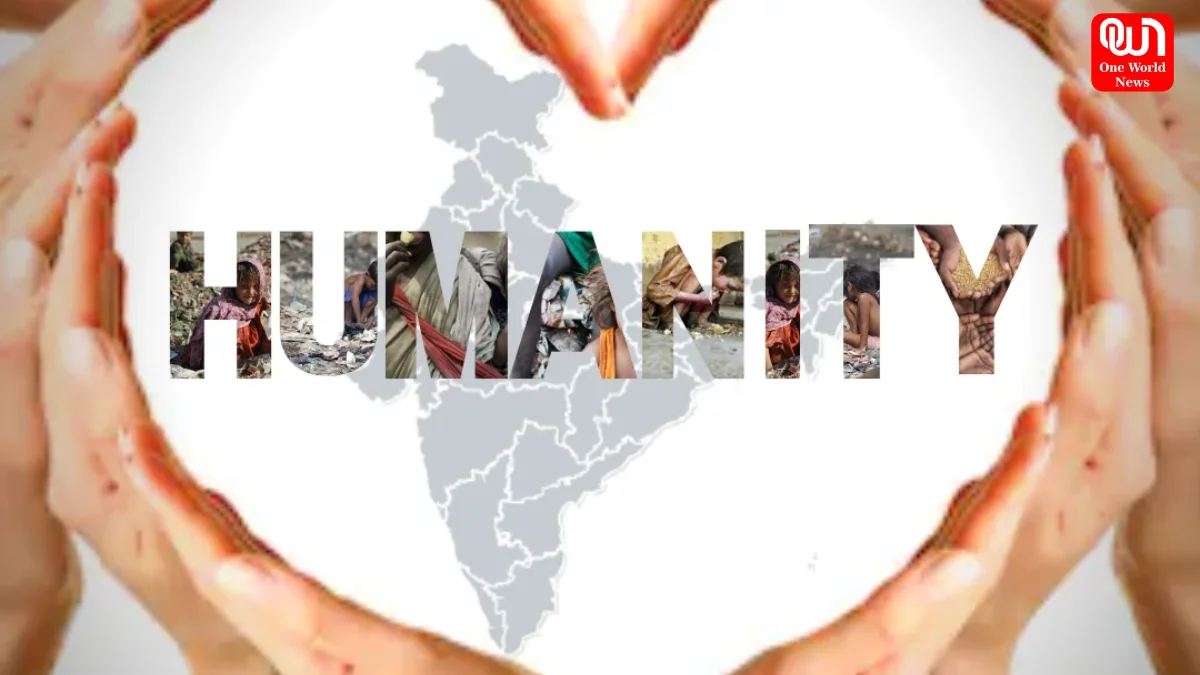
Kaam Ki Baat – Does Humanity Have a Religion? Exploring Religious Harmony, Healthcare Safety, Political Accountability and the Power of Every Vote
Can humanity really be divided by religion, political ideology, or voting preferences? The latest episode of Kaam Ki Baat explores this question through a moving story of compassion, alongside important conversations about healthcare, public safety, democratic accountability, and citizens’ rights.
The episode begins with an interesting observation: animals do not ask about religion before helping another animal in distress. They simply respond to suffering. Yet, human beings sometimes allow religious and political identities to influence how they treat others.
The central message is simple: humanity should come before religious identity, and public representatives should remain accountable to the people they serve.
A Hindu Mother’s Story and Two Muslim Youths
One of the most touching moments in the episode revolves around a Hindu mother whose young child is suffering from a serious medical condition, SMA Type 1. With treatment expenses potentially reaching crores of rupees, the family faces an overwhelming challenge.
Two Muslim youths learn about the child’s condition and decide to help. They approach people at Jama Masjid to collect financial assistance for the child’s treatment.
What makes this story meaningful is what nobody asks. They do not question the child’s religion, the mother’s political preferences, or her ideology. They see a child who needs medical assistance.
This incident highlights how compassion can bring communities together beyond religious boundaries. It reminds viewers that helping someone in need should never require a religious or political identity check.
Public Safety Must Matter More Than Political Arguments
The episode then shifts towards everyday issues affecting Indian citizens, including clean drinking water, breathable air, food safety, and access to reliable healthcare.
These concerns directly affect people’s lives, yet public discussions sometimes become dominated by political arguments and historical comparisons.
History is important, but present-day problems also require immediate answers. Citizens deserve to know who is responsible when public services fail and what corrective measures are being implemented.
The message of Kaam Ki Baat encourages people to focus on practical solutions rather than allowing political loyalty to overshadow essential public concerns.
Jhansi Hospital Fire: Questions About Newborn Safety
The November 15, 2024, fire at Maharani Laxmibai Medical College in Jhansi remains an important example of why hospital safety deserves public attention.
At least 10 newborn babies died after a fire broke out in the neonatal intensive care unit. The National Human Rights Commission took suo motu cognizance and sought a detailed report from Uttar Pradesh authorities regarding the incident and action taken.
The episode raises important questions about fire safety, emergency preparedness, hospital infrastructure, and accountability.
Healthcare facilities must be equipped to protect vulnerable patients, particularly newborns who cannot protect themselves during emergencies.
Contaminated Cough Syrup and the Importance of Medicine Safety
The episode also discusses the 2025 Coldrif cough syrup contamination case in Madhya Pradesh, which raised serious concerns about pharmaceutical quality control.
Government findings reported that a tested Coldrif sample contained diethylene glycol beyond permissible limits. Regulatory action followed, including proceedings against the manufacturer.
The incident highlights the importance of medicine testing, manufacturing standards, regulatory inspections, and timely action when safety concerns emerge.
Medicines are essential healthcare products, and their safety directly affects patients and families. Public accountability must therefore extend across the entire healthcare system.
Election Commission and the Importance of Democratic Accountability
Another major discussion in Kaam Ki Baat concerns the appointment process for India’s Election Commissioners.
In its 2023 Anoop Baranwal judgment, the Supreme Court prescribed a selection committee comprising the Prime Minister, the Leader of Opposition in the Lok Sabha, and the Chief Justice of India until Parliament enacted a law.
Parliament subsequently passed the Chief Election Commissioner and Other Election Commissioners (Appointment, Conditions of Service and Term of Office) Act, 2023. Under this legislation, the selection committee includes the Prime Minister, the Leader of Opposition, and a Union Cabinet Minister nominated by the Prime Minister.
The episode encourages viewers to understand these legal changes and consider questions concerning institutional independence, transparency, and accountability.
It also discusses Section 16 of the legislation, which provides protection against civil or criminal proceedings for acts performed in the discharge of official duties. Understanding the precise scope of legal protections is essential when discussing public institutions.
Your Vote Is Your Voice: Question Leaders, Not Worship Them
A recurring theme throughout the episode is the importance of treating political representatives as public servants rather than unquestionable figures.
Whether someone supports BJP, Congress, AAP, or another political party, their voting preference is a personal democratic choice. However, political loyalty should not prevent citizens from asking questions about policies, decisions, public services, and governance.
The episode also highlights the difference between questioning a public figure’s documented actions and presenting unverified allegations as established facts.
Responsible political discussion requires evidence, context, and accountability.
Why Humanity and Accountability Must Go Together
The story of the Hindu mother and the two Muslim youths brings the episode back to its central message.
When a child needs help, religious identity becomes secondary. When a hospital faces a safety failure, citizens deserve answers. When medicines are found contaminated, regulatory systems must be examined. And when election laws change, people have every reason to understand their implications.
These issues may appear different, but they share one common foundation: the responsibility to protect human dignity and public welfare.
Conclusion: The Real Kaam Ki Baat
The central takeaway from Kaam Ki Baat is that humanity should never be restricted by religion, caste, or political ideology. Compassion connects people, while accountability strengthens democracy.
Citizens should ask questions about healthcare, education, pollution, water quality, food safety, and government decisions. They should evaluate political representatives through their public records and responsibilities rather than personal devotion.
Political parties may change, governments may change, and leaders may change. However, the responsibility of citizens to remain informed and engaged continues.
Ultimately, the episode leaves viewers with a powerful reminder: helping someone in distress should begin with one simple question—not about their religion or political identity, but about what assistance they need.
We’re now on WhatsApp. Click to join.
Like this post?
Register at One World News to never miss out on videos, celeb interviews, and best reads.